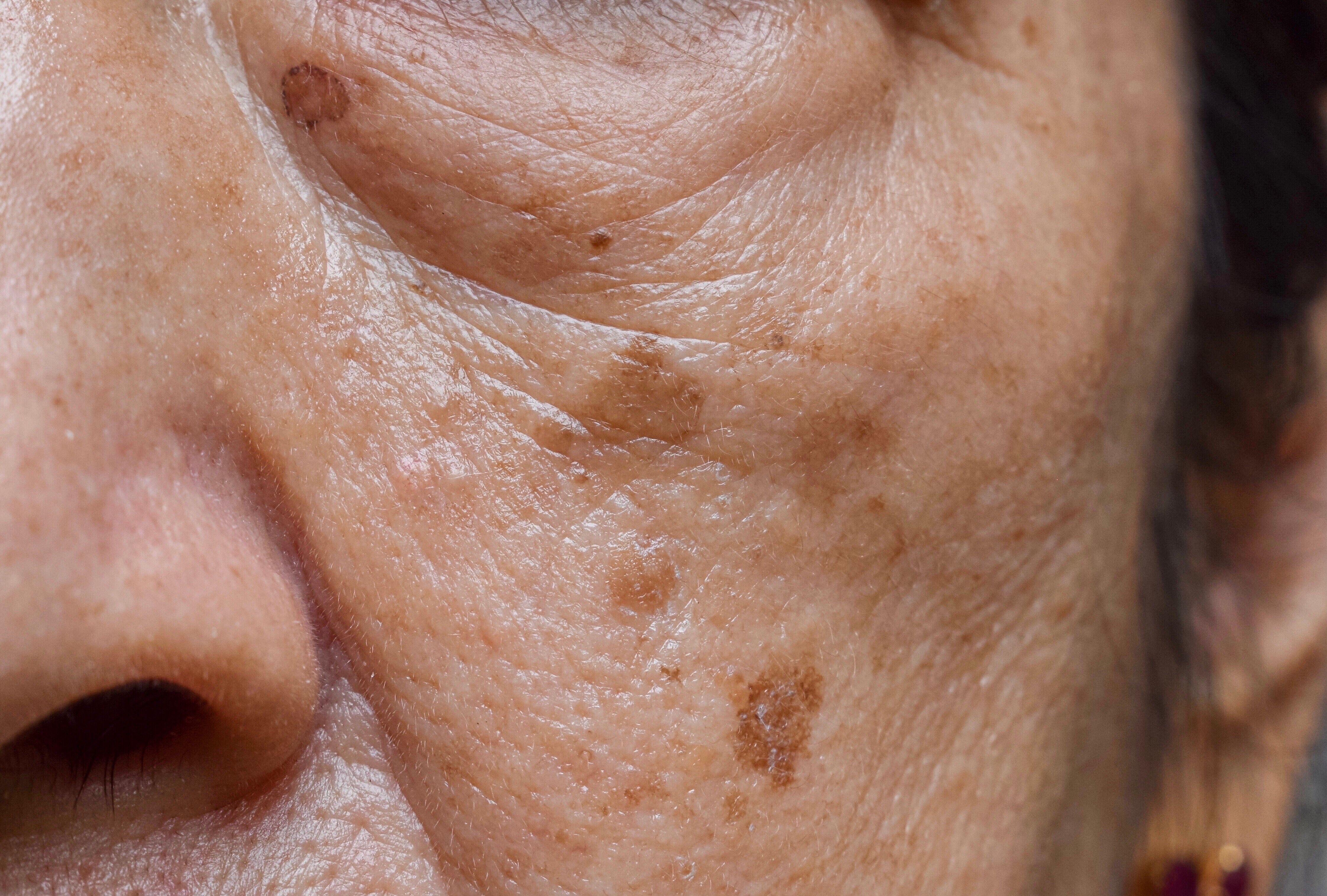
Actinic keratosis is one of the most common warning signs that your skin has experienced significant sun damage and it should never be dismissed as “just a dry patch.” At Green Dermatology & Cosmetic Center, we emphasize proactive skin care and early treatment to help prevent the progression of precancerous lesions into something more serious.
What Is Actinic Keratosis?
Actinic keratosis is a rough, scaly lesion that develops after years of exposure to ultraviolet (UV) radiation from the sun or tanning beds. Dermatologists often consider it the earliest visible step in the pathway toward certain types of skin cancer, particularly squamous cell carcinoma.
These lesions typically appear on areas that receive the most sun exposure over time, including:
- Face
- Ears
- Scalp
- Neck
- Forearms
- Backs of the hands
Individuals with fair skin, light-colored eyes, or a history of significant sun exposure are at higher risk, though actinic keratosis can affect people of all skin tones.
What Does Actinic Keratosis Look and Feel Like?
Actinic keratoses often feel rougher than they look. Patients commonly describe them as sandpaper-like patches on the skin. They may appear:
- Red, pink, or flesh-colored
- Slightly raised or flat
- Crusty or scaly
- Tender, itchy, or occasionally sensitive
Some lesions are easier to feel than to see. Because they can be subtle, routine skin exams are critical - especially if you have a history of sun damage.
Why Early Treatment Matters
While not every actinic keratosis will turn into skin cancer, some can progress if left untreated. Since it’s impossible to predict which lesions may advance, our dermatologist recommends addressing them promptly. Treating actinic keratosis early reduces the risk of developing invasive skin cancer and helps preserve healthy skin.
Actinic keratosis is often described as a “precancerous” condition because it reflects cellular changes caused by cumulative UV exposure. Addressing these abnormal cells early helps interrupt the progression toward malignancy.
How Actinic Keratosis Is Treated
At Green Dermatology & Cosmetic Center, Dr. Green and his team take an individualized approach to treating actinic keratosis. The best treatment depends on the number of lesions, their location, your skin type, and your overall health history.
Common treatment options include:
- Cryotherapy (Freezing): This is one of the most frequently used treatments. A controlled application of liquid nitrogen targets and destroys the abnormal cells. The treated area may blister or crust before healing with healthier skin beneath.
- Photodynamic Therapy (PDT): This advanced treatment involves applying a light-sensitive solution to the affected area, followed by exposure to a specific wavelength of light. The activated solution selectively eliminates damaged cells while preserving surrounding healthy tissue. PDT is especially useful when multiple lesions are present in one area.
- Topical Prescription Medications: Medicated creams or gels may be prescribed to treat visible and subclinical (not yet visible) lesions over a broader field of sun-damaged skin. These treatments work by targeting abnormal cells and stimulating the body’s immune response to clear them.
- Chemical Peels and Dermabrasion: These resurfacing techniques remove the outer layers of damaged skin, encouraging regeneration of healthier tissue underneath. They can be effective when actinic keratoses are widespread.
- Laser Resurfacing : Laser treatments with the UltraClear Laser at Green Dermatology & Cosmetic Center can precisely remove damaged skin cells and improve overall skin texture, particularly when sun damage is extensive.
- Curettage: In some cases, the lesion may be carefully scraped away using a specialized instrument. This may be combined with other treatments to ensure complete removal.
Dr. Green carefully evaluates each patient’s skin to determine the most appropriate and effective treatment plan.
Preventing Future Actinic Keratoses
While treatment addresses existing lesions, prevention is key to reducing recurrence. Protective measures include:
- Daily use of broad-spectrum sunscreen (SPF 30 or higher)
- Wearing protective clothing and wide-brimmed hats
- Seeking shade during peak sun hours
- Avoiding tanning beds
- Scheduling regular skin examinations
Because actinic keratosis is linked to cumulative sun exposure, ongoing sun protection is essential even after treatment.
Protect Your Skin Today
Actinic keratosis is more than just dry or irritated skin - it is a sign of sun damage that can progress to skin cancer if left untreated. The good news is that with early detection and personalized care, these lesions can be effectively managed. Dr. Green provides comprehensive evaluations and tailored treatment options to protect your skin’s health today and in the future.
If you’re seeing persistent rough or scaly spots, schedule a consultation at Green Dermatology & Cosmetic Center and receive expert care to treat actinic keratosis and protect your long-term skin health. Visit our office in Deerfield Beach, Florida, or call (954) 799-9600 to book an appointment today.
Shop Our Products


© 2026 Green Dermatology & Cosmetic Center. All Rights Reserved | Accessibility Statement | Privacy Policy | Sitemap
Powered by: