Blog

Basal Cell vs Squamous Cell Carcinoma: Two Common Types of Skin Cancer Explained

April 29th, 2026

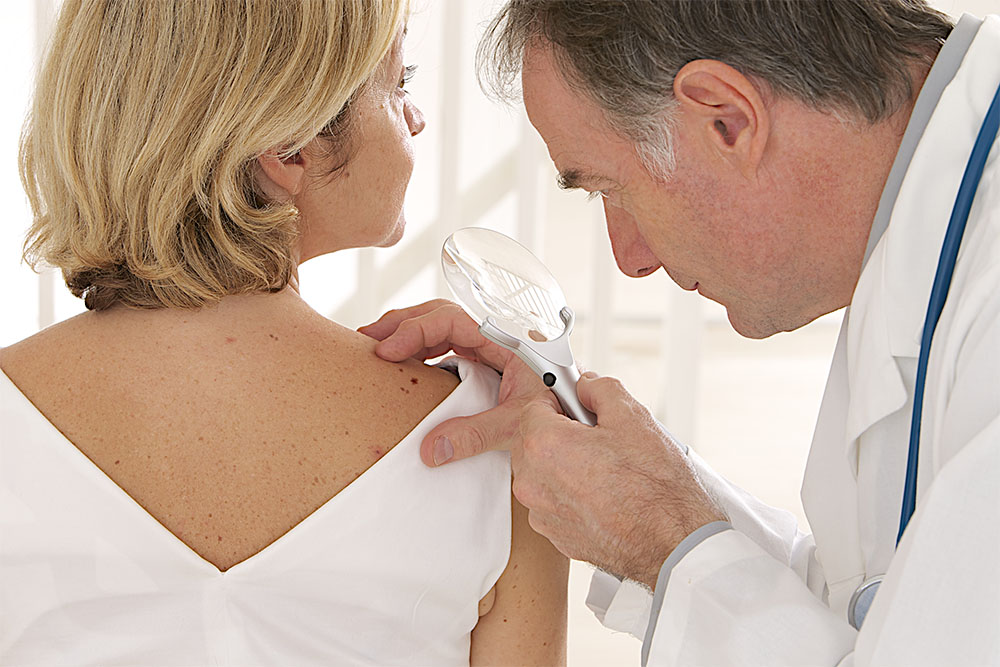
Skin cancer is one of the most common types of cancer, and basal cell carcinoma and squamous cell carcinoma are two of the most frequently diagnosed forms. While both often develop in areas exposed to the sun, they can look different, behave differently, and require different treatment approaches. Understanding the signs can help you know when it is time to schedule a dermatology evaluation.

Read More

Botox Vs Fillers: What’s The Difference?

April 7th, 2026

Botox and dermal fillers are two of the most common non-surgical cosmetic treatments, but they are not interchangeable. Each serves a different purpose, and knowing the difference can help you choose the right treatment for your goals.

Read More

New or Changing Moles: What They Could Mean for Your Skin Health

March 12th, 2026

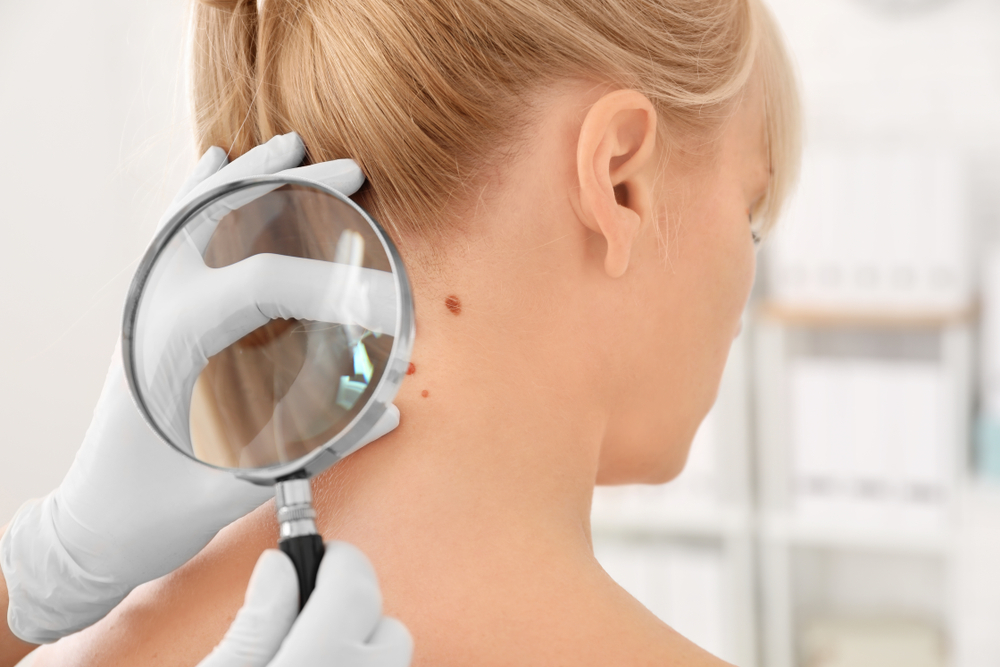
A new mole or a change in an existing mole is not always a sign of skin cancer, but it is something worth paying attention to. Changes in color, size, shape, or texture can sometimes point to abnormal skin cell activity. For patients in South Florida , staying aware of these changes can make a real difference. A dermatology visit can help determine whether a mole is harmless, needs to be watched, or should be evaluated further.

Read More

Actinic Keratosis: A Precancerous Skin Condition You Shouldn’t Ignore

March 2nd, 2026

Actinic keratosis is one of the most common warning signs that your skin has experienced significant sun damage and it should never be dismissed as “just a dry patch.” At Green Dermatology & Cosmetic Center, we emphasize proactive skin care and early treatment to help prevent the progression of precancerous lesions into something more serious.

Read More

Top Signs You May Benefit from RHA® Filler Treatments

January 7th, 2026

As we age, our skin naturally loses elasticity, volume, and hydration. While these changes are completely normal, many people look for subtle, natural-looking ways to refresh their appearance without looking “overdone.” RHA® fillers are designed specifically for dynamic areas of the face - places that move when you smile, laugh, or speak - making them an excellent option for patients seeking soft, flexible, and long-lasting results. Below are some of the most common signs that you may benefit from RHA filler treatments.

Read More