
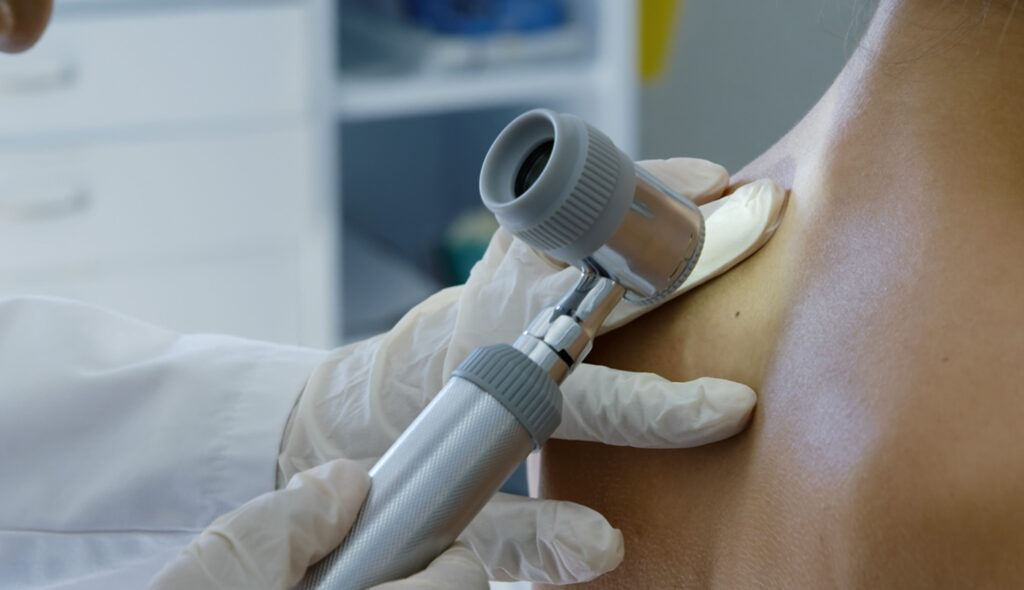
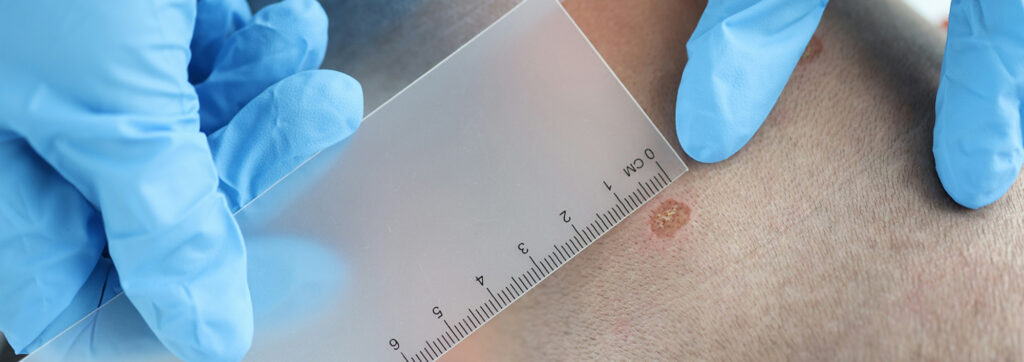
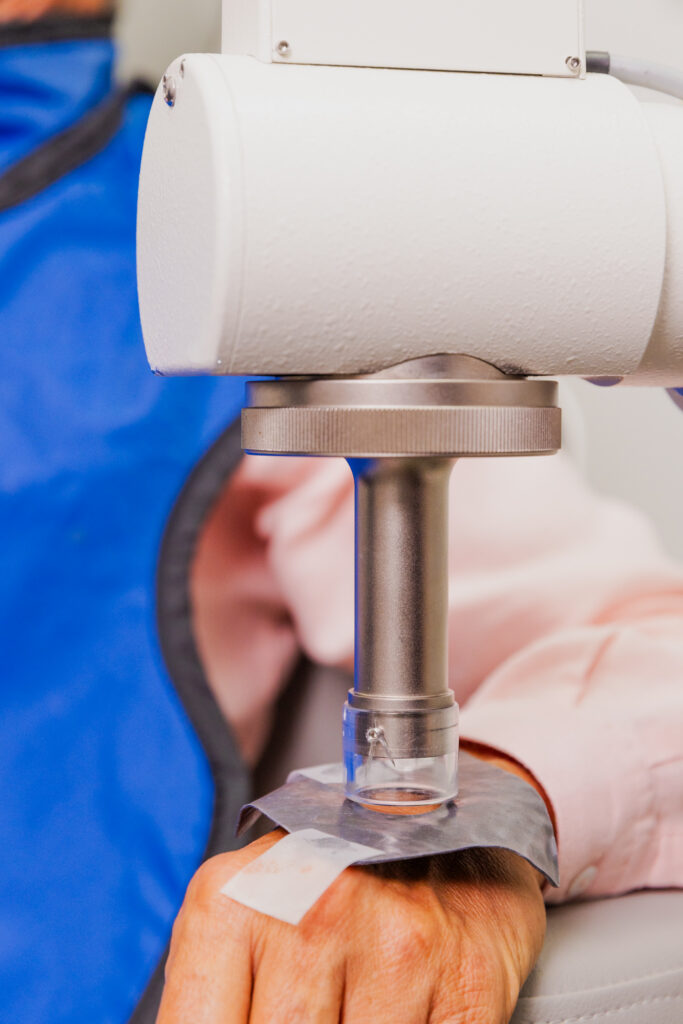
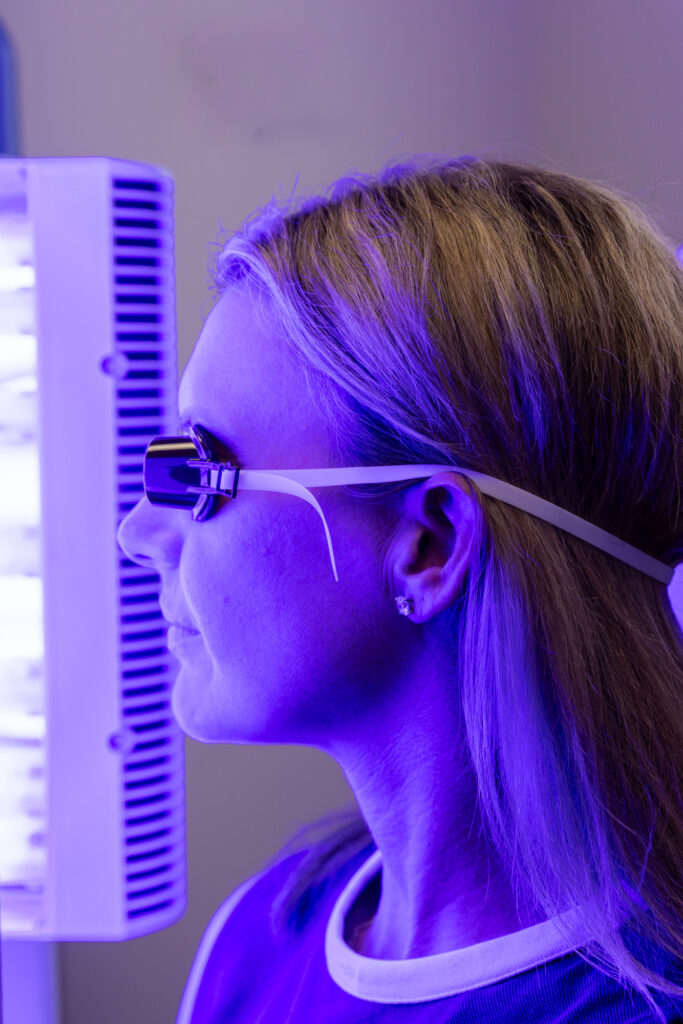
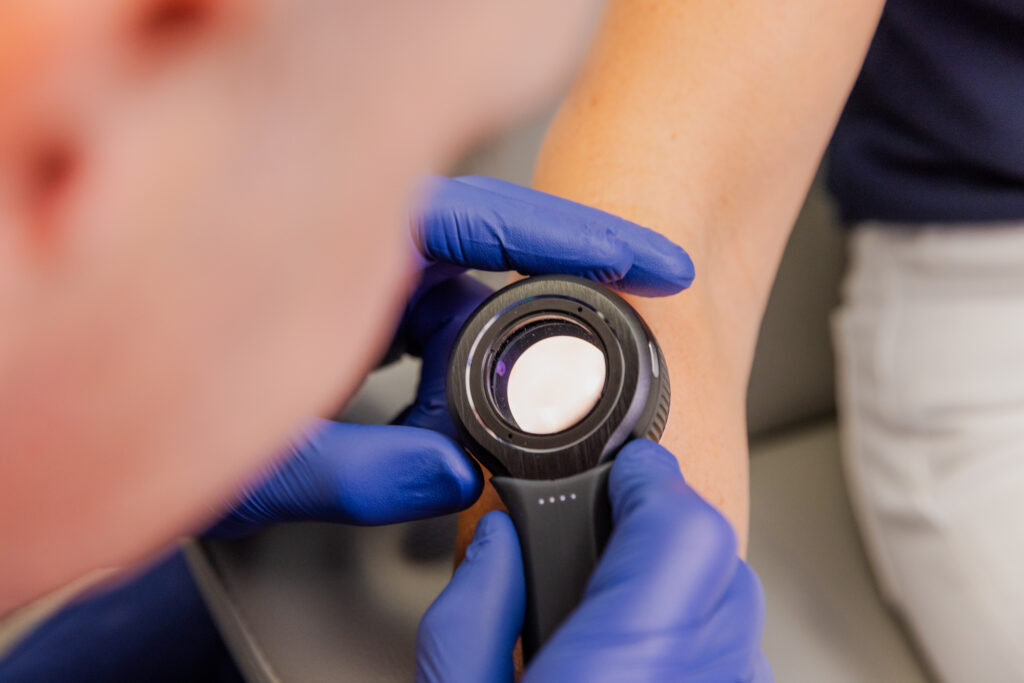
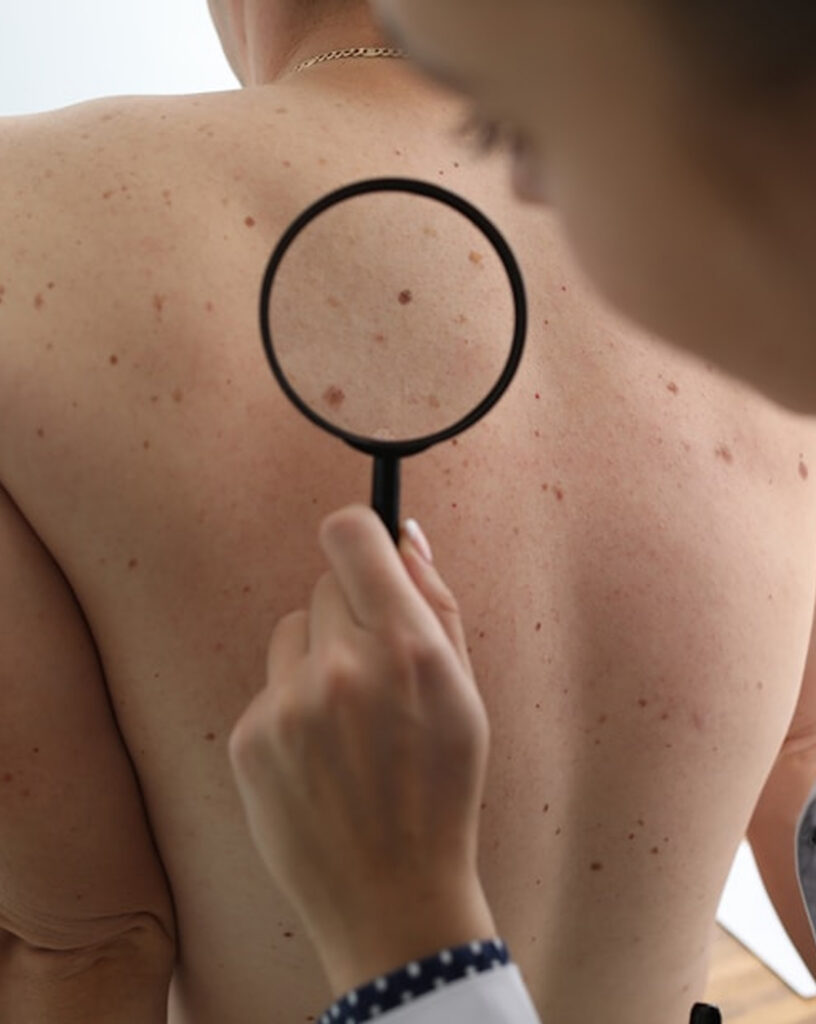
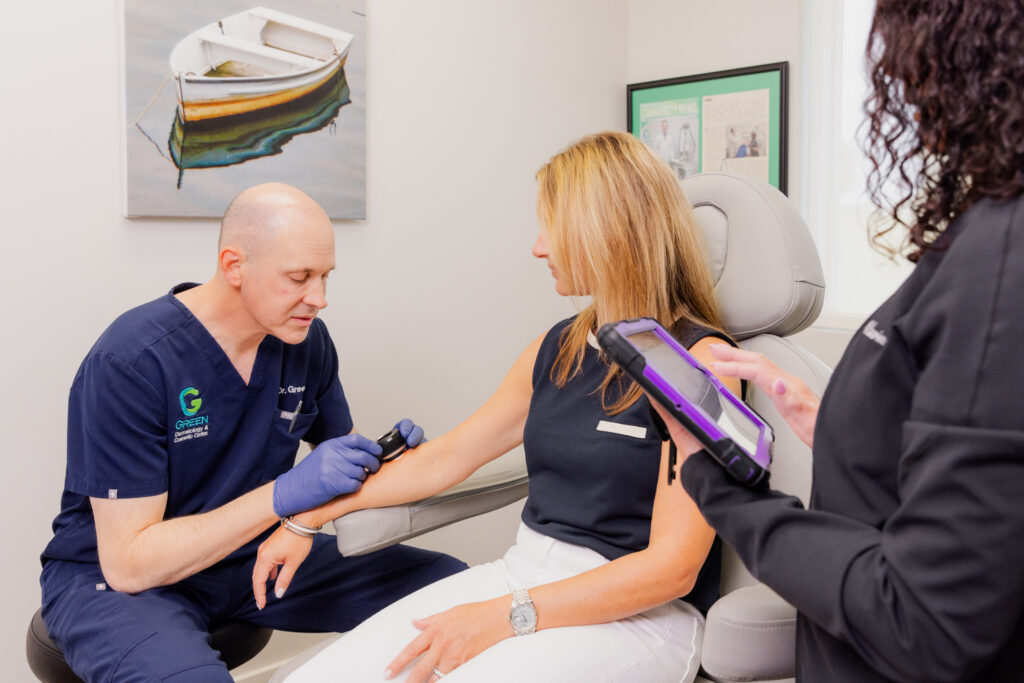
Skin cancer is typically diagnosed through a professional skin examination and biopsy of suspicious lesions. We encourage patients to monitor their skin regularly and schedule an evaluation if they notice unusual spots, sores that do not heal, or changes in existing moles or lesions. Early detection can significantly improve outcomes and provide greater peace of mind.
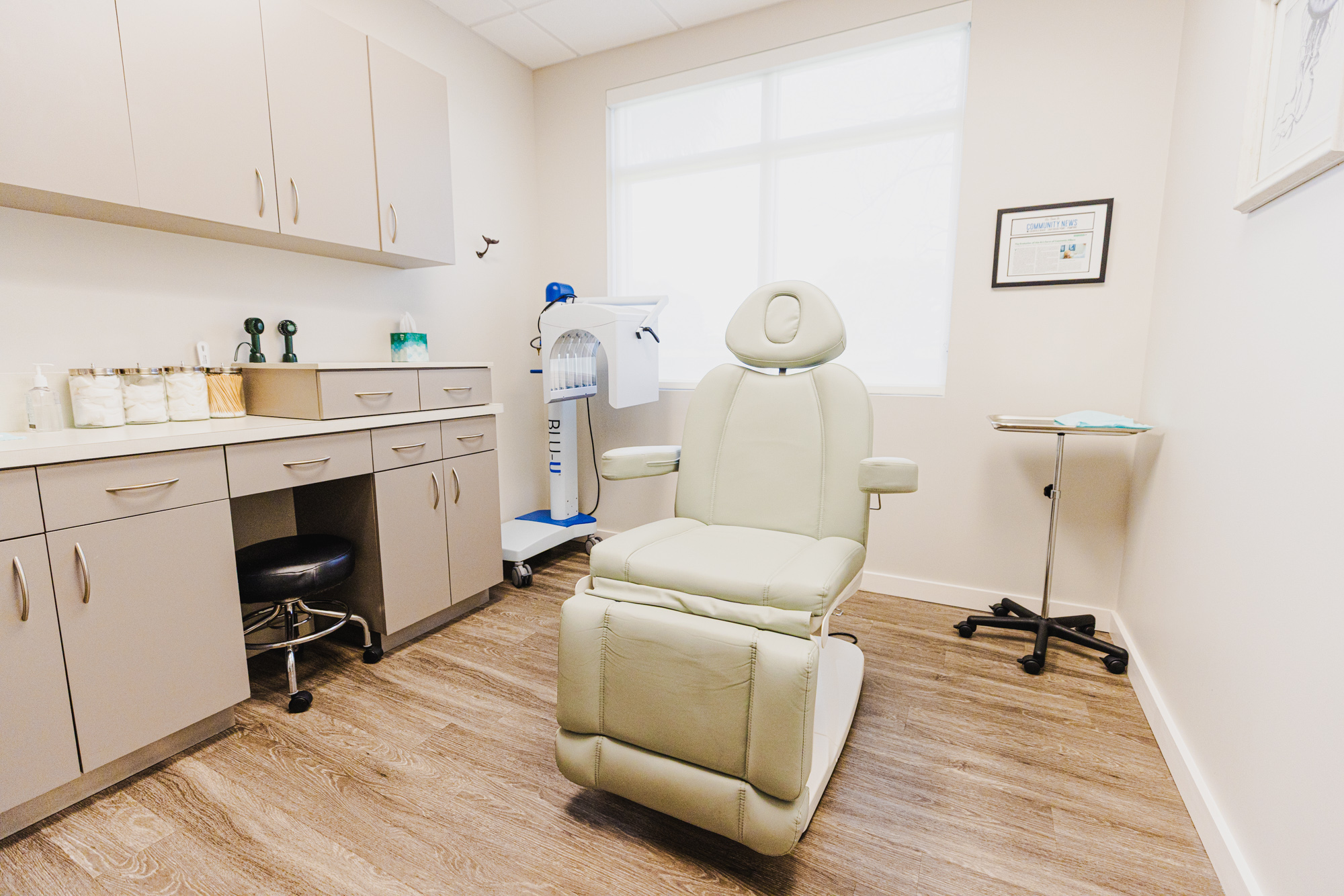
Basal Cell Carcinoma Treatment in Deerfield Beach
Supporting You Through Skin Cancer
Making Your Diagnosis Easier to Navigate
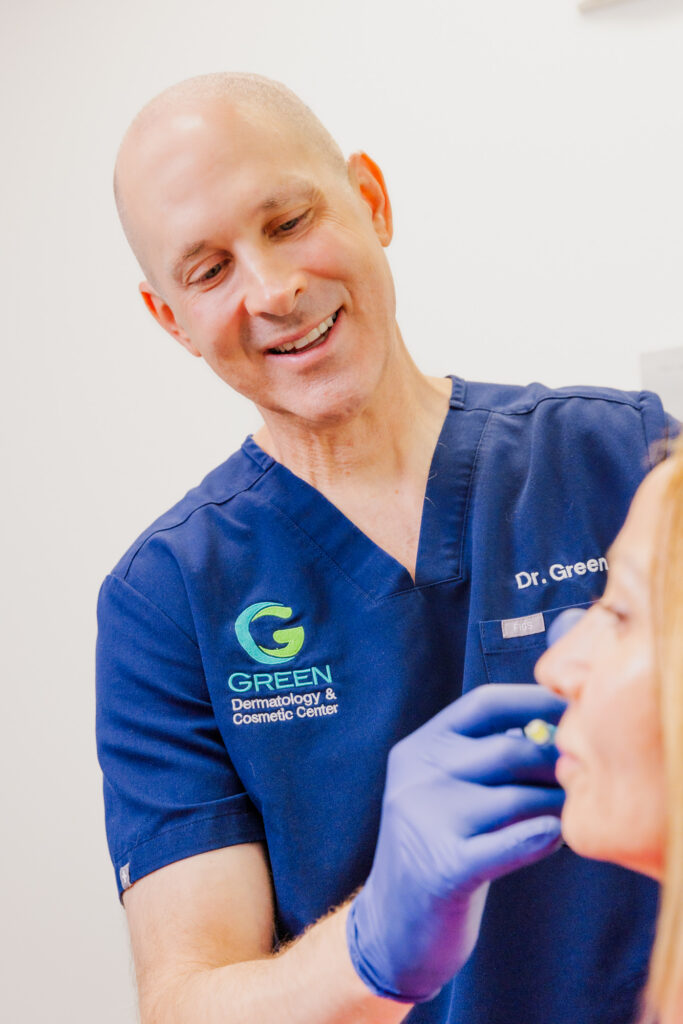
At Green Dermatology & Cosmetic Center, we understand that any skin cancer diagnosis can feel overwhelming. Our experienced team provides comprehensive evaluations, early detection services, and advanced treatment options for patients experiencing basal cell carcinoma and other forms of skin cancer. We’re committed to helping patients feel informed, supported, and confident throughout every stage of care.

Common Signs of Skin Cancer
Visible Changes
- New or changing moles
- Persistent sores that do not heal
- Scaly or crusted patches
- Bleeding or irritated skin lesions
- Pearly or waxy bumps
Common Areas
- Face
- Neck
- Scalp
- Hands
- Arms
- Chest
- Back
- Legs
Know the Warning Signs
Skin cancer can appear differently from patient to patient. Some lesions may look like small pink bumps, rough patches, open sores, or dark irregular spots. Because symptoms can vary, it is important to schedule a professional skin evaluation if you notice anything unusual, changing, itchy, painful, or persistent on your skin.
Types of Skin Cancer
Understanding the different forms of skin cancer can help patients recognize symptoms and seek early treatment when needed.
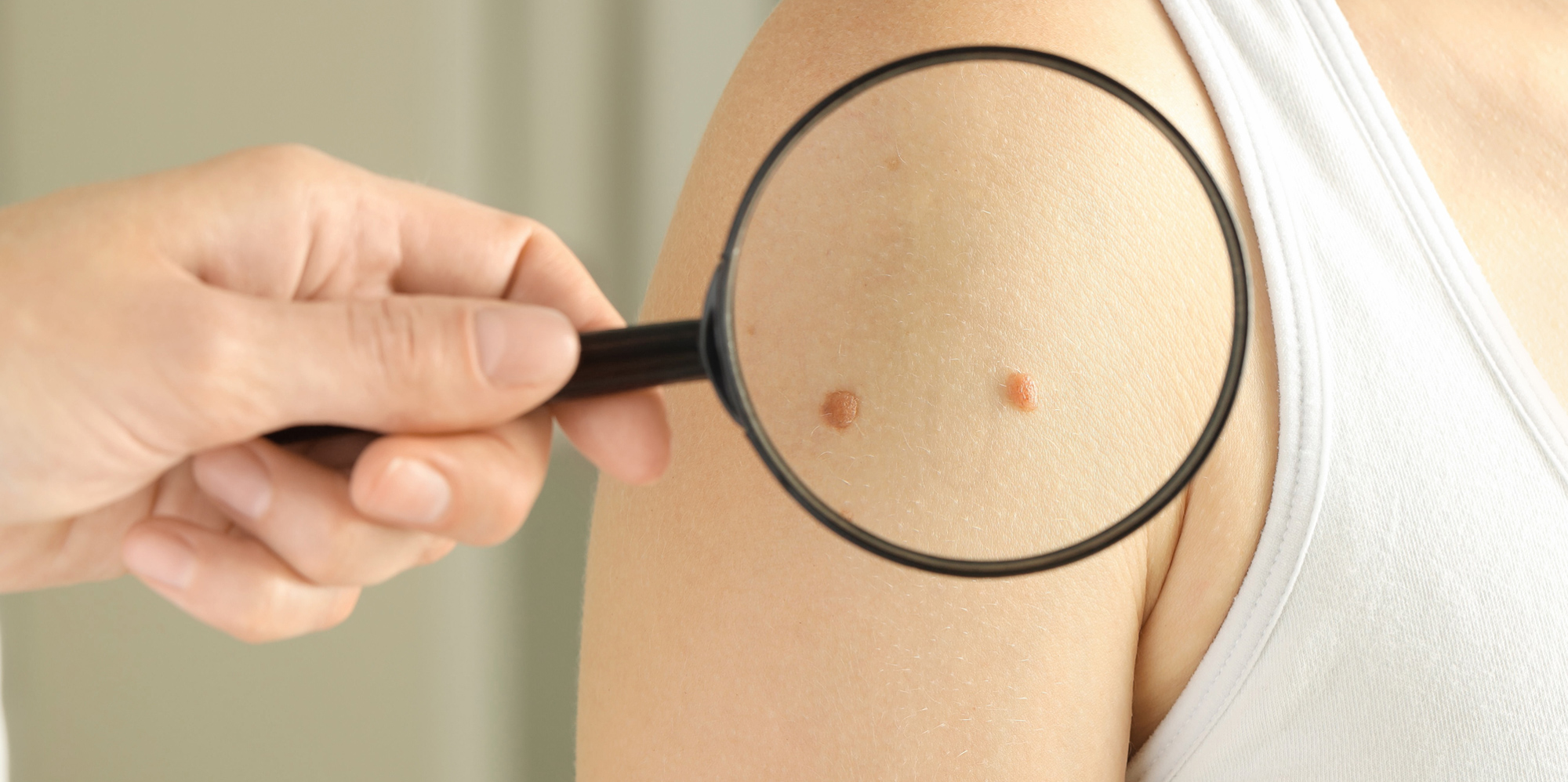
Basal Cell Carcinoma
The most common type of skin cancer and appears frequently on sun-exposed surfaces on the head, neck, and hands. However, it can occur on any body part.
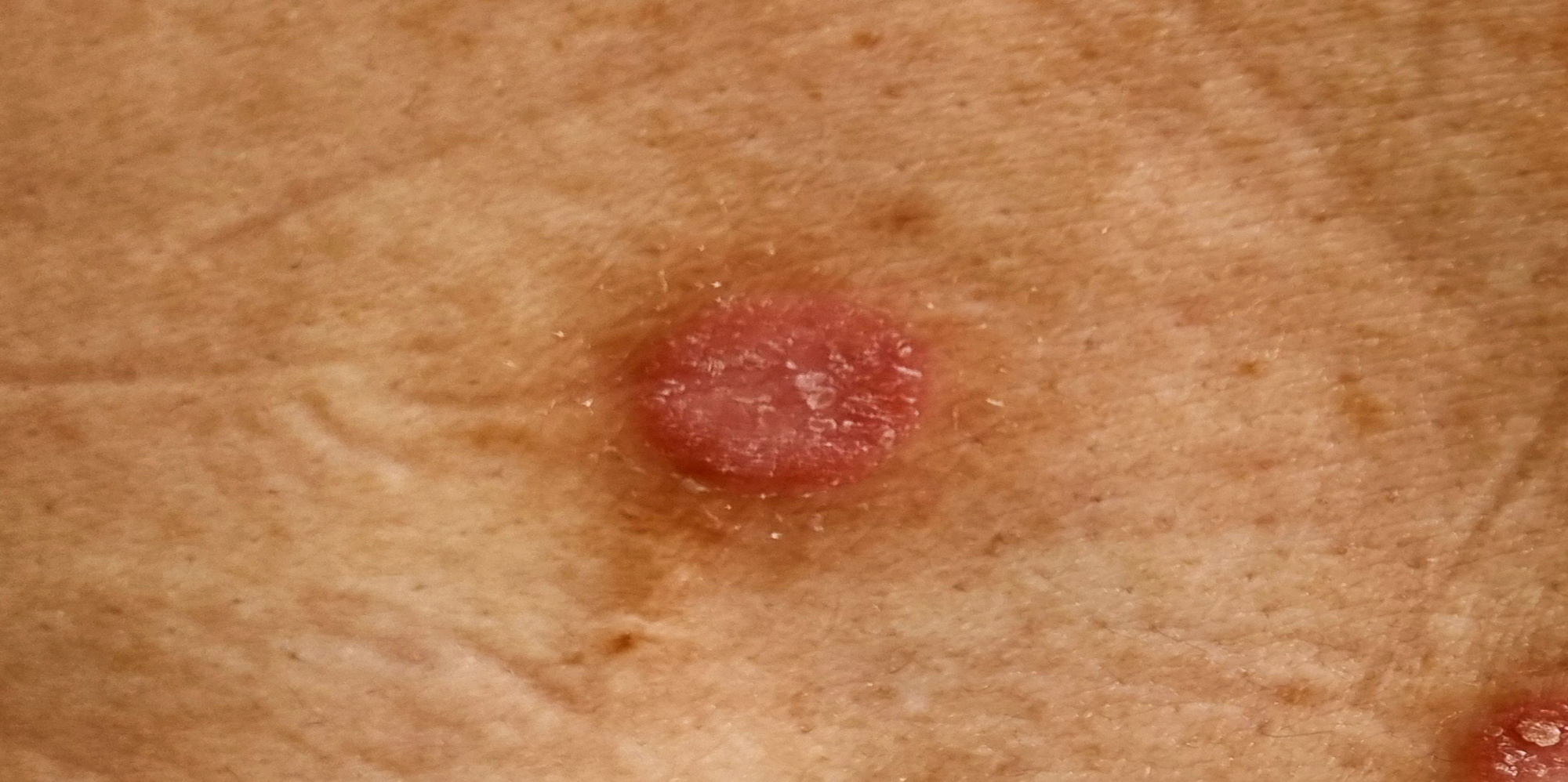
Squamous Cell Carcinoma
The second most common skin cancer is also directly caused by sun damage and appears on sun-damaged skin anywhere on the body.
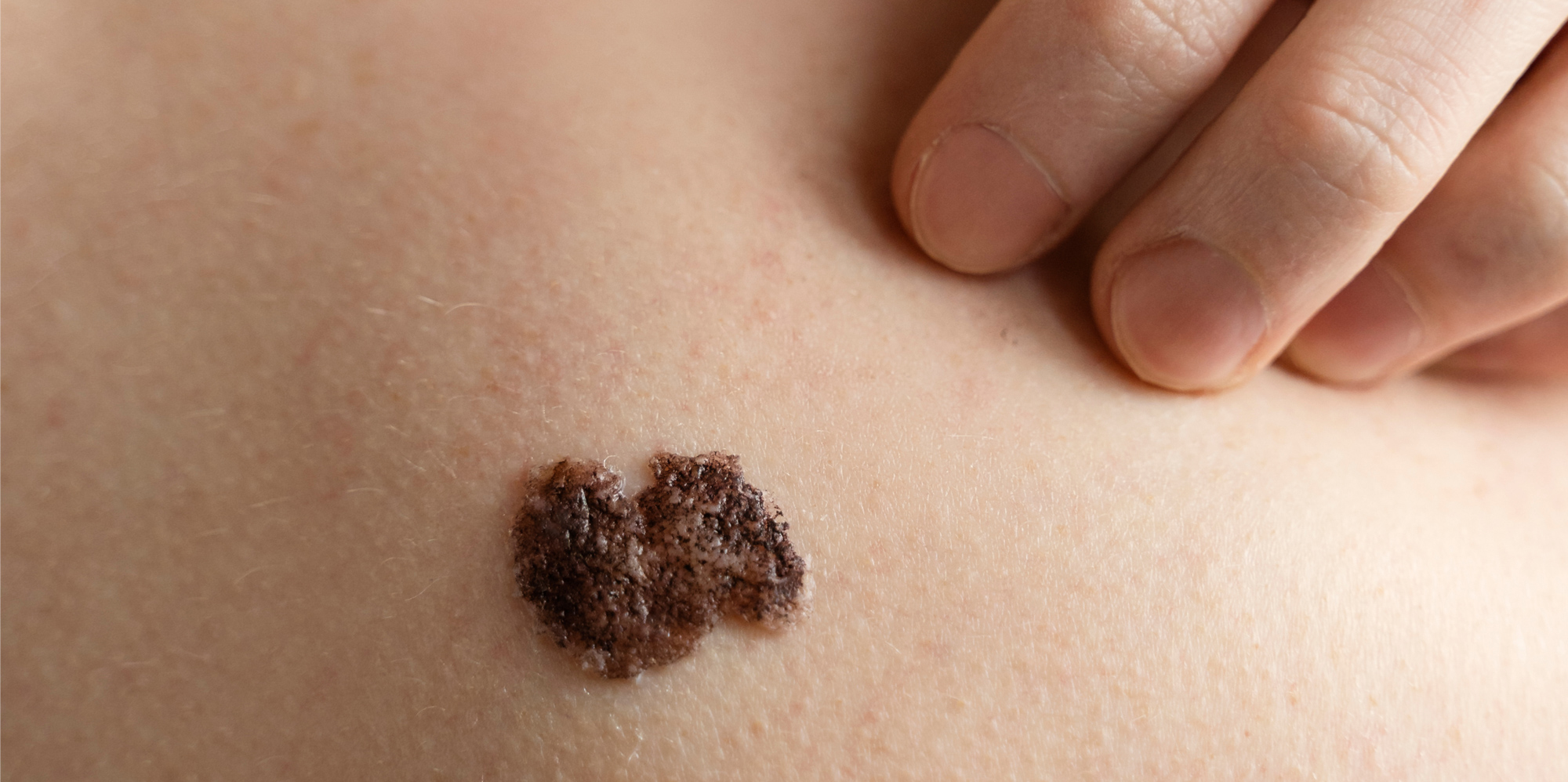
Melanoma
Often developed from moles, this is the most serious type of skin cancer due to its increased tendency to spread to lymph nodes and other areas of the body.
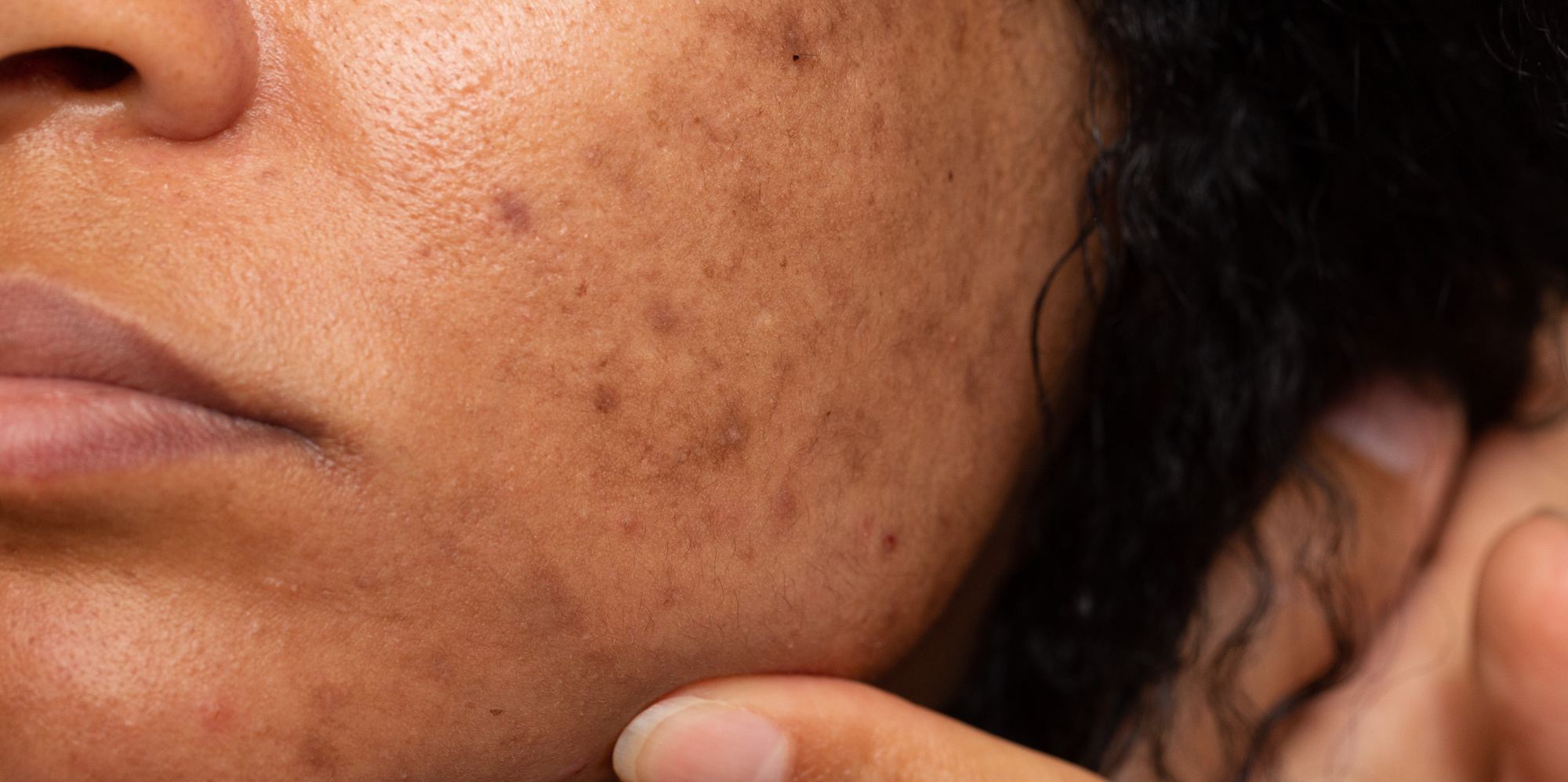
Actinic Keratosis (Pre-Cancer)
The earliest stage in the development of skin cancer. They are small, scaly spots most commonly found on the face, ears, neck, lower arms, and back of the hands.
Skin Cancer Treatment Options
Higher Treatment Success
Early-stage skin cancers are often easier to treat successfully with fewer complications.
Reduced Treatment Damage
Prompt treatment may help preserve more healthy surrounding skin tissue.
Lower Risk of Spread
Detecting skin cancer early can reduce the chance of deeper or widespread growth.
Better Cosmetic Outcomes
Smaller treatment areas can often result in improved healing and reduced visible scarring.
Consultation Process
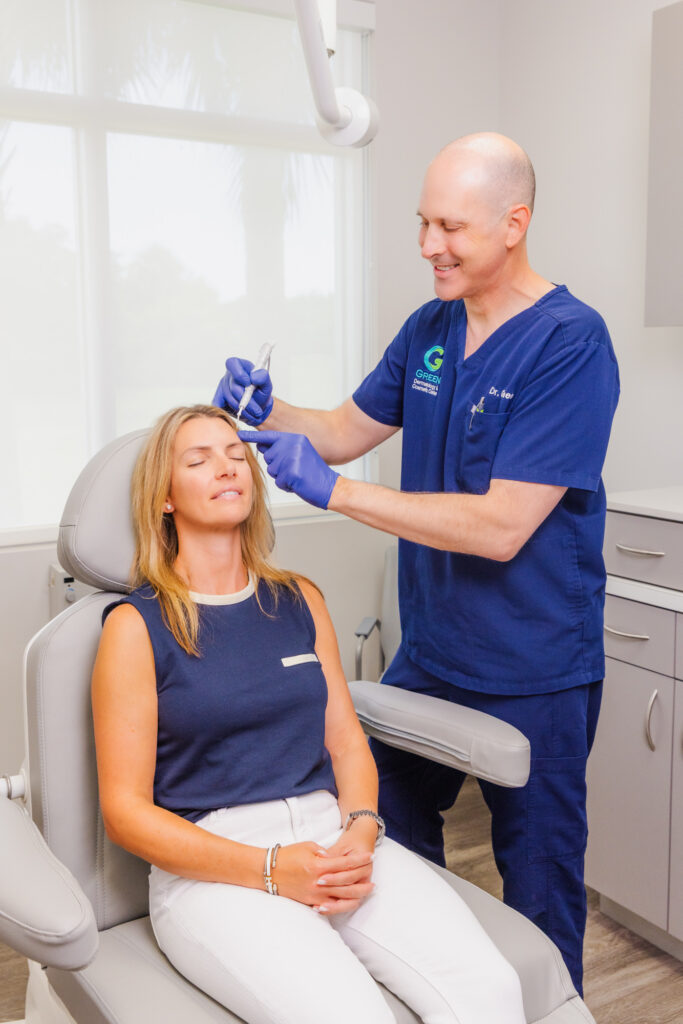
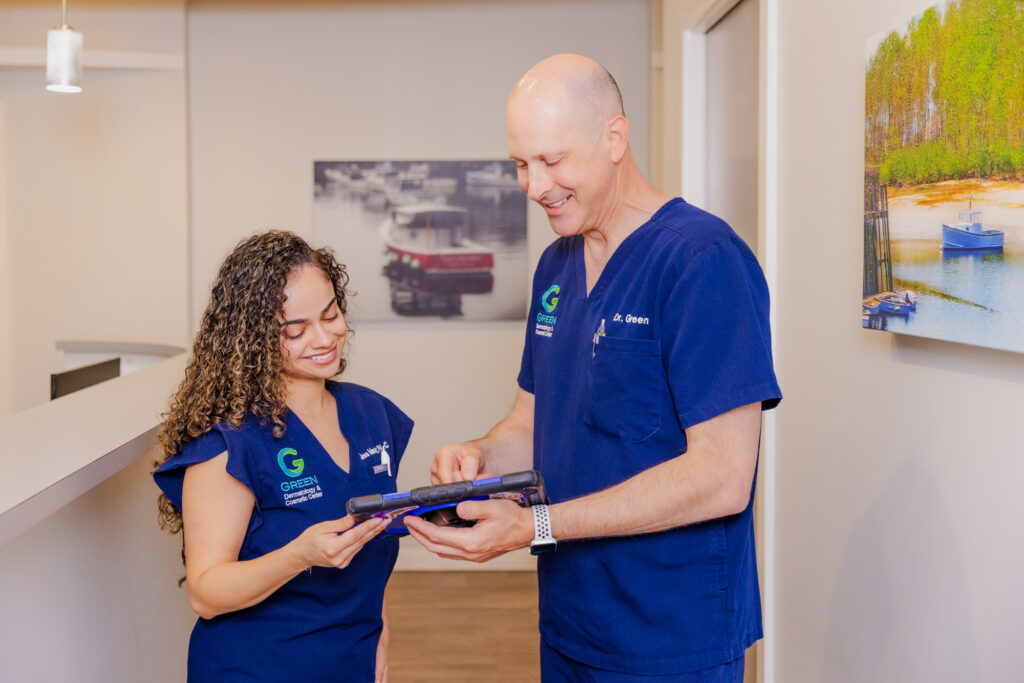
What to Expect at Your Consultation
-
01
-
02
-
03
-
04
Frequently Asked Questions
Patients with a history of sun exposure, skin cancer, or changing skin lesions may benefit from routine annual skin exams or more frequent evaluations as recommended by their dermatologist.
At Green Dermatology & Cosmetic Center, we believe education and prevention play an important role in long-term skin health. South Florida’s sunny climate increases UV exposure year-round, making regular skin checks especially important for many patients.
Basal cell carcinoma is usually slow-growing, but untreated lesions can become larger and damage surrounding tissue over time. Dr. Green offers expert basal cell carcinoma treatment in Deerfield Beach that preserves healthy tissue and reduces recurrence.
Explore More Treatments

Explore Personalized Treatments
Healthier Skin Starts Here
Ready to address a specific concern or simply want healthier, more radiant skin? We’re here to help with expert, personalized care.