
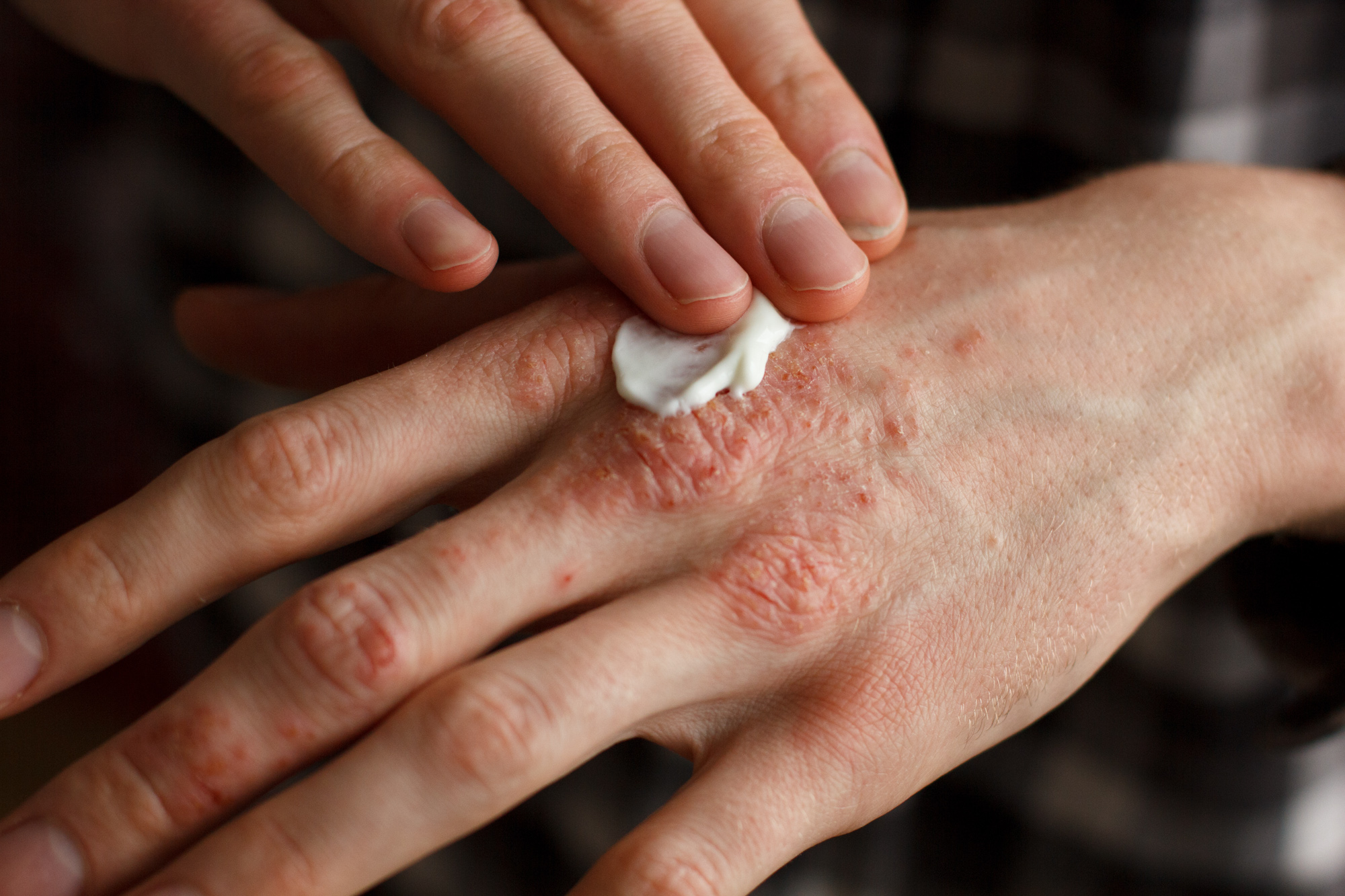
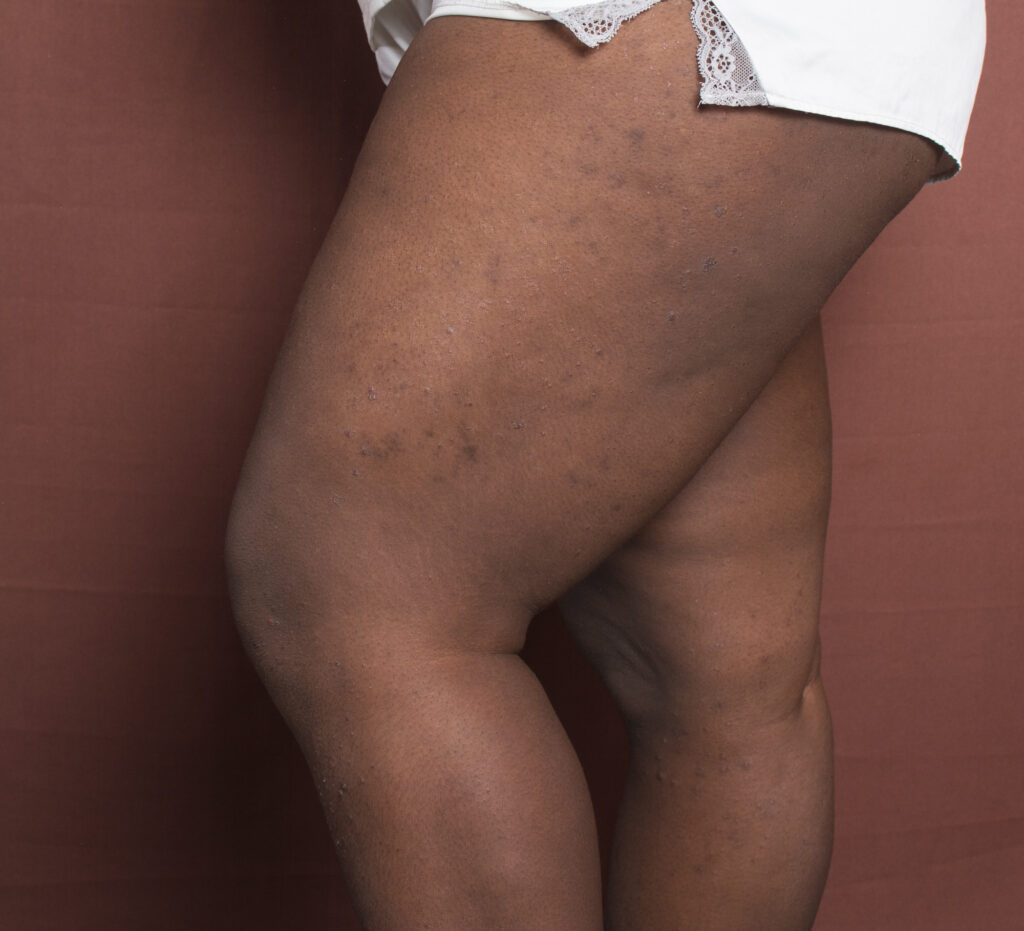
Eczema often appears as red, itchy, inflamed patches of skin that may feel dry, rough, or irritated. Some patients experience cracked skin, swelling, or areas that become thickened from repeated scratching. Symptoms can come and go over time and may worsen with triggers like stress, weather changes, certain soaps, allergens, or sweating. Because many skin conditions can look similar, a dermatologist can help properly diagnose eczema and recommend the most effective treatment options.
Eczema Treatment in Deerfield Beach
Find Relief From Itchy Skin
Professional Eczema Treatments
Dry itchy skin can be irritating and painful, making your day-to-day uncomfortable. At Green Dermatology & Cosmetic Center we can help with effective rash and eczema treatments based on your specific skin condition.


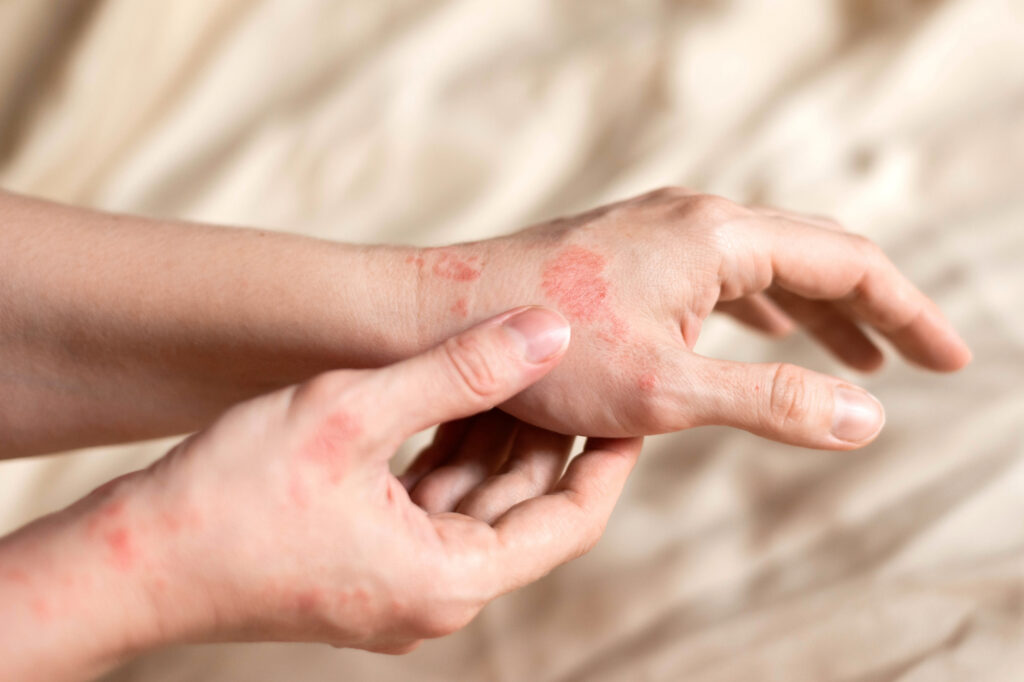
Know the Signs of Eczema
Common Symptoms
- Dry, scaly, or cracked skin
- Intense itch
- Oozing and crusting
- Discolored patches of skin
- Thickened skin
Typical Areas
- Forehead
- Cheeks
- Forearms
- Legs
- Scalp
- Neck
What Causes Eczema?
Eczema is a general term encompassing various inflamed skin conditions. One of the most common forms of eczema is atopic dermatitis (or “atopic eczema”). Approximately 10 to 20 percent of the world’s population is affected by this chronic, relapsing, and very itchy rash at some point during childhood. Fortunately, many children with eczema find that the disease clears and often disappears with age.
In general, atopic dermatitis will come and go, often based on external factors. Although its cause is unknown, the condition appears to be an abnormal response of the body’s immune system. In people with eczema, the inflammatory response to irritating substances overacts, causing itching and scratching. Eczema is not contagious and, like many diseases, currently cannot be cured. However, for most patients, our providers help manage the condition with several different treatments and avoidance of triggers.
Excessive Heat & Sweating
Heat and sweat can irritate the skin and lead to itching, redness, and flare-ups
Certain Soaps & Cleaners
Harsh soaps, detergents, and fragranced products can strip the skin’s natural barrier and worsen irritation.
Animals
Pet dander and animal fur can act as irritants or allergens, potentially triggering eczema symptoms in sensitive individuals.
Upper Respiratory Infections
Colds and other infections may weaken the immune system and contribute to eczema flare-ups in some patients.
Explore Treatments We Offer
Consultation Process
What to Expect at Your Consultation
-

01
-

02
-

03
-

04
Frequently Asked Questions
No. Eczema is not contagious and cannot be spread from person to person through touching, hugging, or sharing personal items. Eczema is typically related to genetics, skin barrier issues, allergies, environmental triggers, or immune system responses rather than infections.
Eczema is considered a chronic condition for many patients, meaning symptoms may flare periodically throughout life. However, with the right treatment plan, proper skincare, and trigger management, many patients are able to significantly reduce symptoms and keep their skin much more comfortable and manageable over time.
Yes. A dermatologist can help confirm whether your rash is eczema, identify potential triggers, and create a personalized treatment plan based on the severity of your symptoms. Professional treatment can help reduce itching, inflammation, flare-ups, skin infections, and long-term skin irritation while improving your overall quality of life.
Explore Additional Conditions

Explore Personalized Treatments
Healthier Skin Starts Here
Ready to address a specific concern or simply want healthier, more radiant skin? We’re here to help with expert, personalized care.