Hyperpigmentation is a broad term for skin darkening, while melasma is a specific type often triggered by hormones and sun exposure. Because conditions like melasma can worsen with aggressive treatments or excessive sun exposure, professional guidance is especially important when selecting the right approach for your hyperpigmentation treatment in Deerfield Beach.
Hyperpigmentation in Deerfield Beach
Treat Uneven Skin Tone & Dark Spots
Understanding Hyperpigmentation
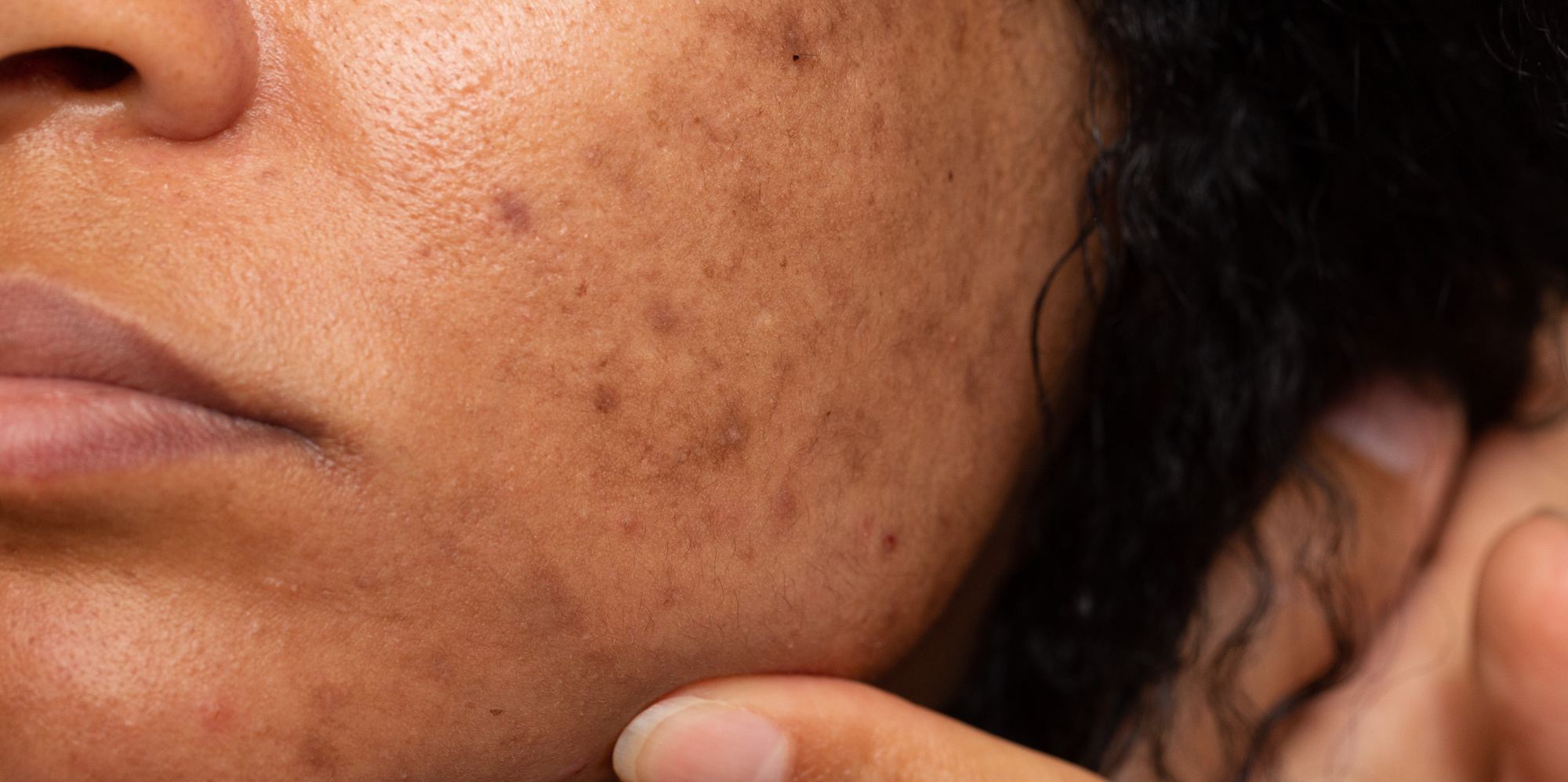
Hyperpigmentation refers to areas of skin that appear darker than the surrounding tissue due to excess melanin production. Conditions like melasma, sun damage, and post-inflammatory discoloration can affect overall skin tone and confidence, but our professional treatment options can help improve clarity and brightness over time.
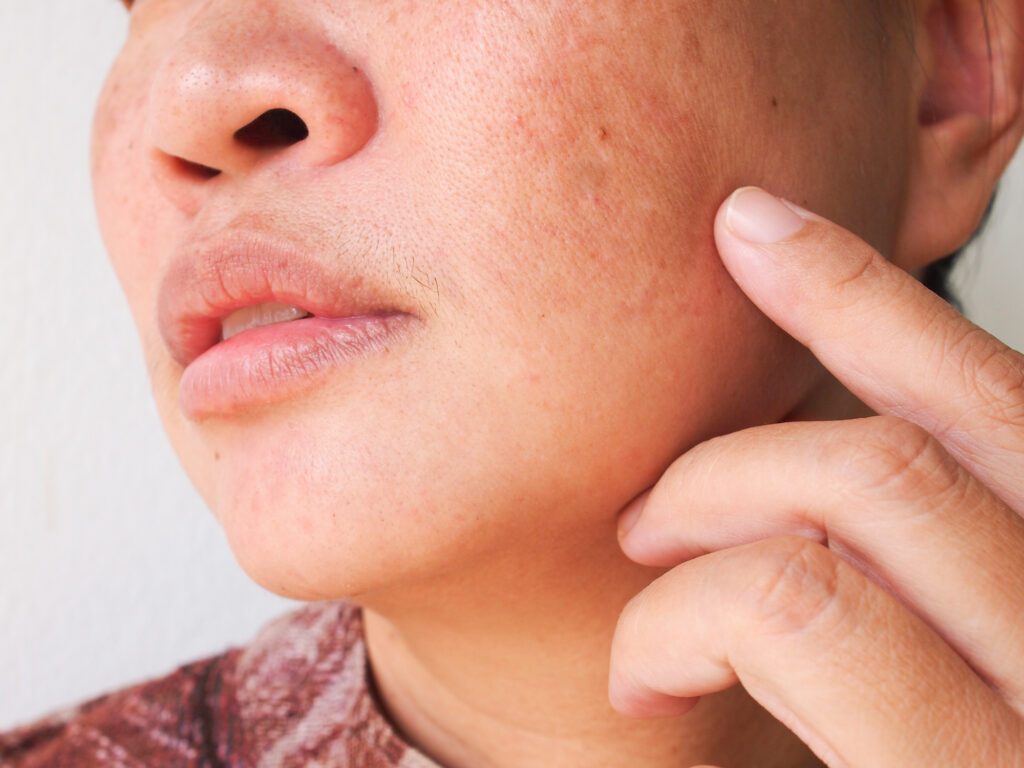

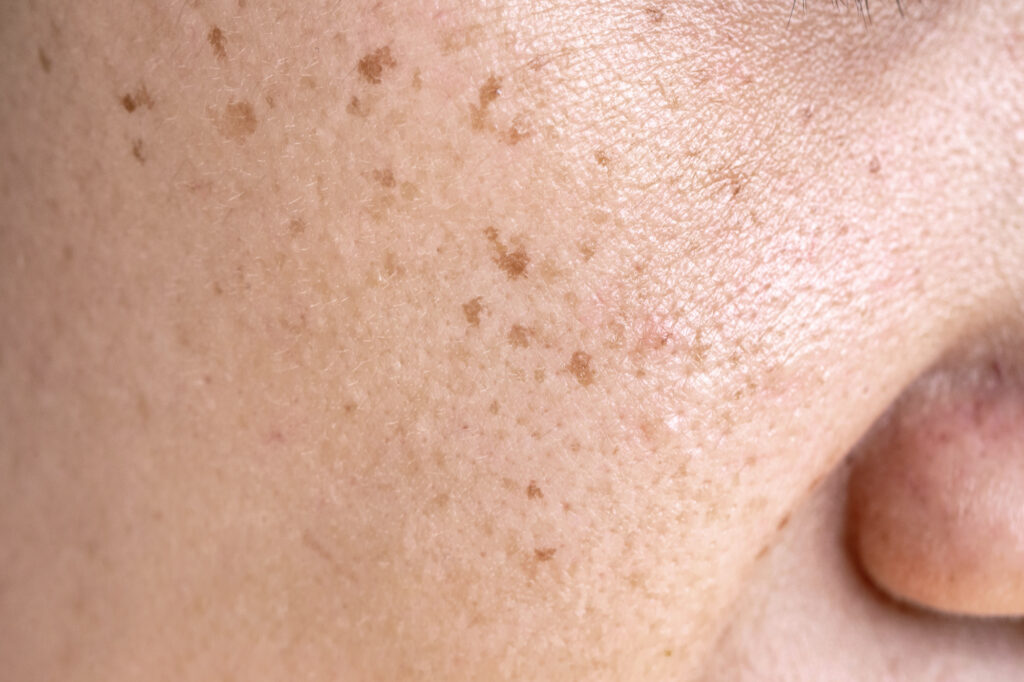
What Hyperpigmentation Looks Like
Common Symptoms
- Brown or gray patches on the skin
- Uneven skin tone
- Dark spots after acne breakouts
- Sunspots or age spots
- Discoloration worsened by sunlight
- Patchy facial pigmentation
- Persistent marks after irritation or inflammation
Common Areas
- Cheeks
- Forehead
- Upper lip
- Jawline
- Neck
- Chest
- Hands
- Shoulders
What causes hyperpigmentation?
Hyperpigmentation develops when the skin produces excess melanin, the pigment responsible for skin color. This can happen for many reasons, including sun exposure, hormonal changes, acne, inflammation, aging, or certain medications. Melasma is a specific type of hyperpigmentation commonly triggered by hormones and sunlight, often appearing as patchy discoloration on the face.
Because different forms of hyperpigmentation respond differently to treatment, professional evaluation is important for creating the most effective plan. Daily sun protection is also essential, as UV exposure can worsen discoloration and make treatment results more difficult to maintain.
Types of Pigmentation Concerns
Professional treatment can target several forms of uneven skin tone and discoloration.
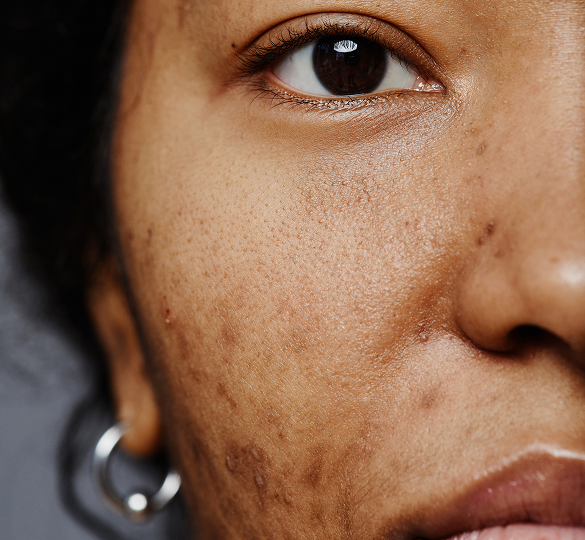
Sunspots
Darkened areas caused by long-term sun exposure and UV damage over time.
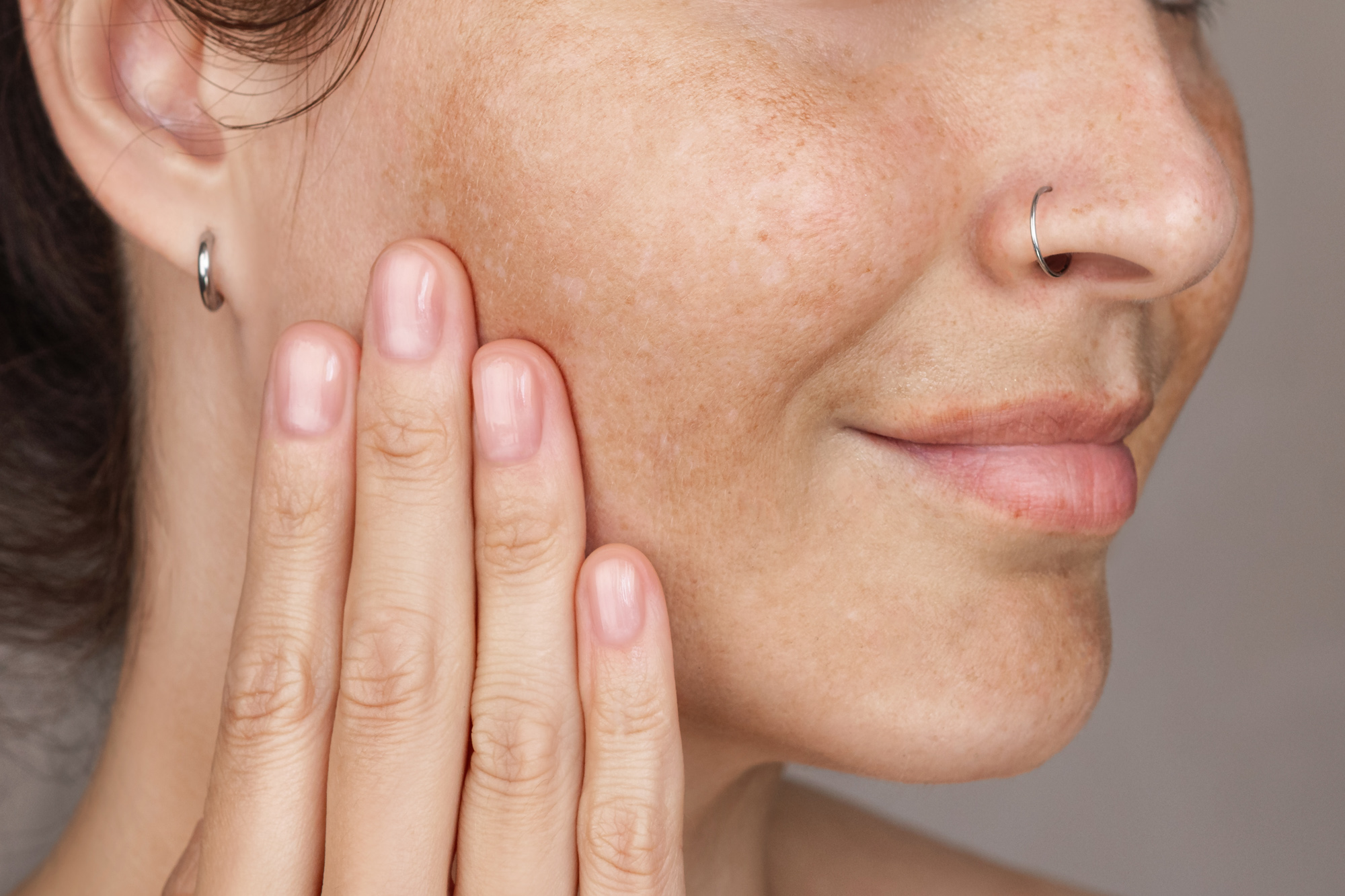
Melasma
Hormonal pigmentation, often appearing as patchy brown discoloration on the face.

Post-Inflammatory
Dark marks left behind after acne, irritation, or skin inflammation heals.

Accurate Diagnosis
Professional evaluation helps identify the type and cause of pigmentation concerns.
Customized Treatments
Treatment plans are tailored to your skin tone, sensitivity, and cosmetic goals.
Long-Term Prevention
Sun protection and maintenance plans help reduce future discoloration.
Advanced Technology
Medical-grade treatments can target pigment more effectively than over-the-counter products alone.
Consultation Process
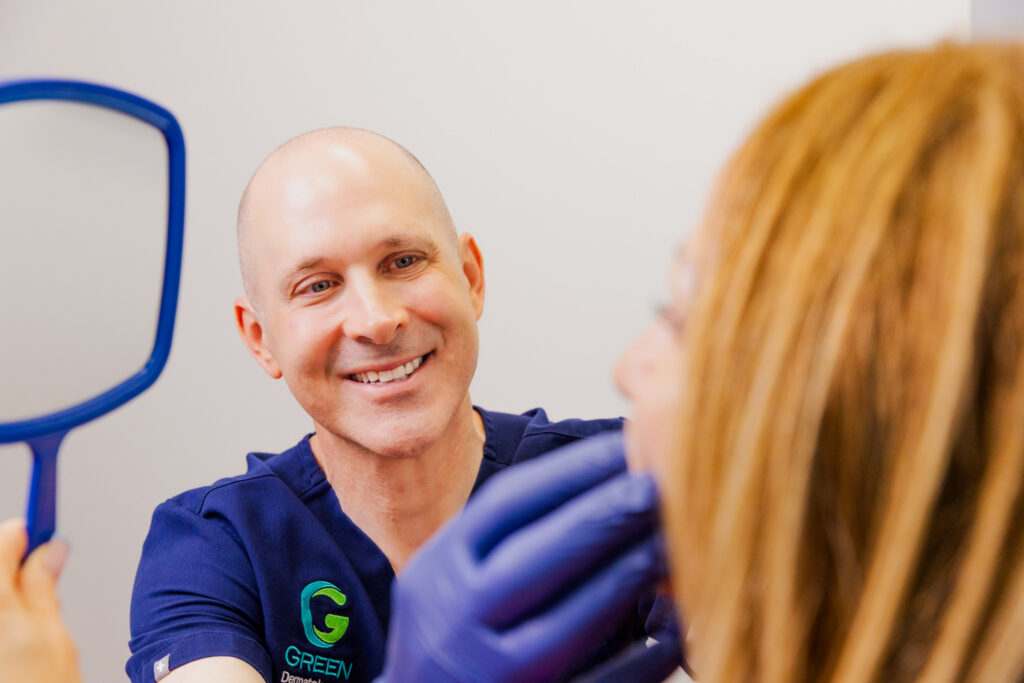
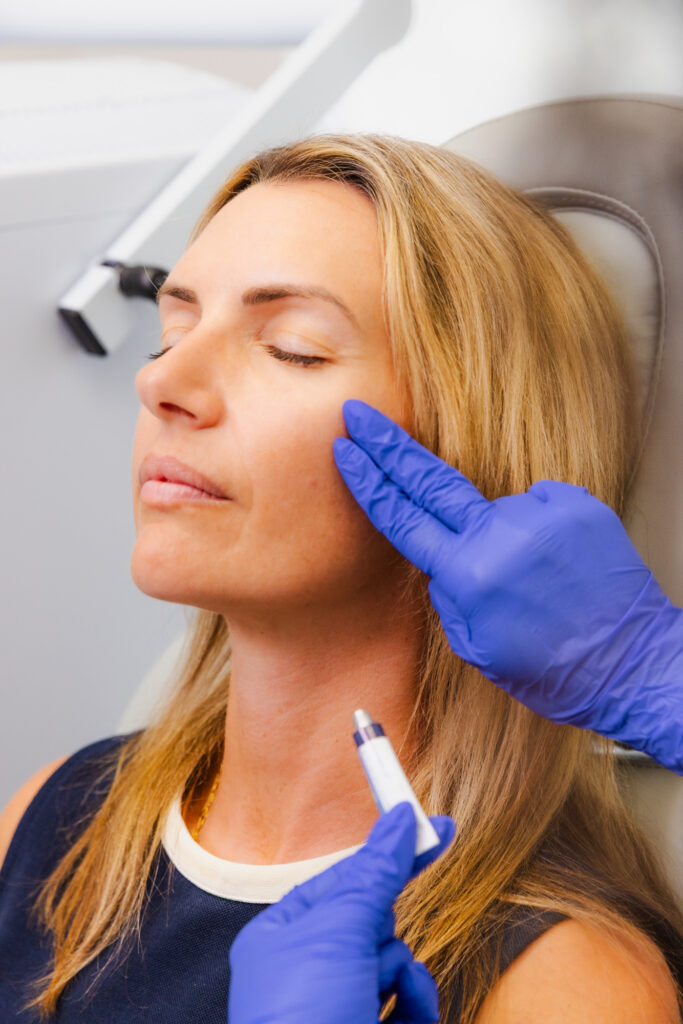
What to Expect at Your Consultation
-
01
-
02
-
03
-

04
Frequently Asked Questions
Some discoloration can improve significantly, but ongoing maintenance and sun protection are often necessary to help prevent recurrence. Hyperpigmentation can be frustrating because discoloration often develops gradually and may become more noticeable over time. While some dark spots fade naturally, many patients find that professional treatment helps improve results more effectively and consistently than over-the-counter products alone.
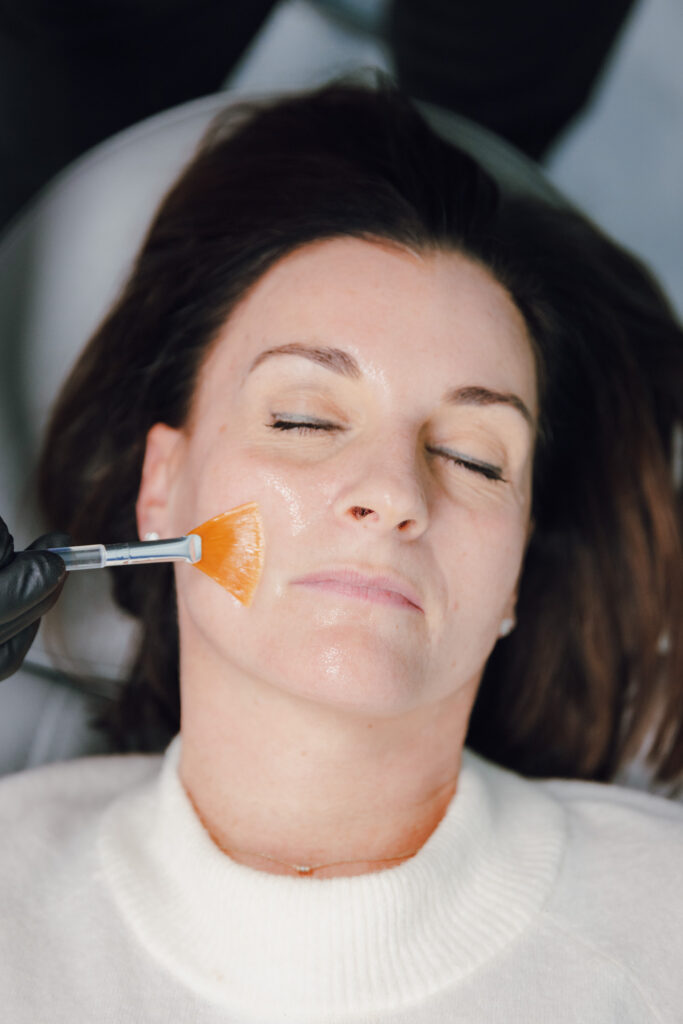
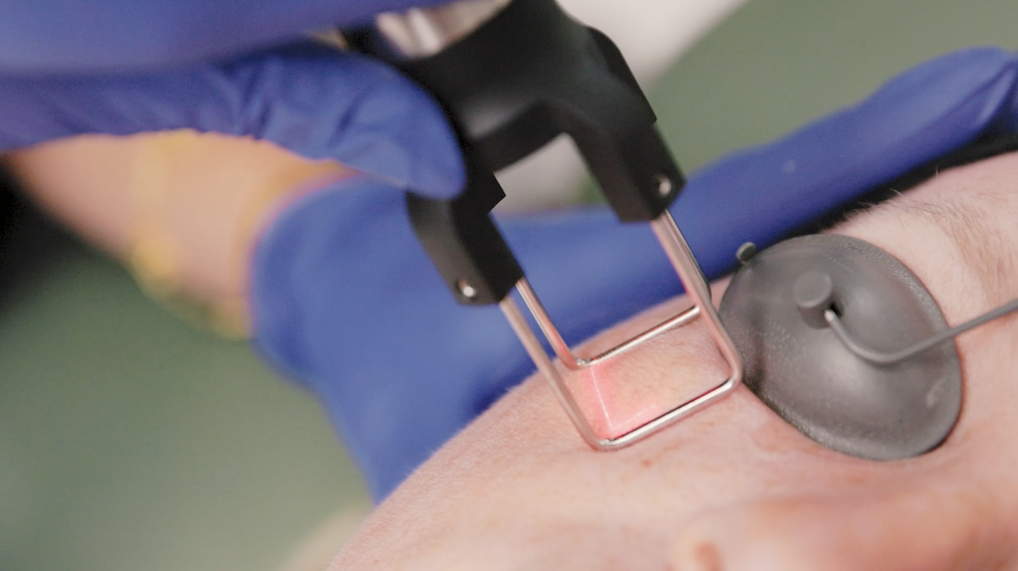
Depending on your needs, treatment may involve prescription skincare products, chemical peels, IPL photofacials, laser resurfacing, or combination therapies. These treatments work by targeting excess pigment, encouraging healthy skin turnover, and improving overall skin tone and texture.
Yes. Daily sunscreen use is one of the most important steps in your skincare routine if you deal with hyperpigmentation. Without daily SPF use, pigmentation concerns can quickly return or worsen after treatment. Our team works closely with patients to build realistic skincare routines that help maintain brighter, more even-looking skin over time after their hyperpigmentation treatment in Deerfield Beach.
Explore More


Explore Personalized Treatments
Healthier Skin Starts Here
Ready to address a specific concern or simply want healthier, more radiant skin? We’re here to help with expert, personalized care.