No. Psoriasis is not contagious. It is a chronic autoimmune disease that appears on the skin when the immune system sends out faulty signals that speed up the growth cycle of skin cells. Psoriasis is the most common autoimmune disease in the U.S. As many as 7.5 million Americans have psoriasis. Currently there is no cure for Psoriasis. However, there are many different types of treatment.
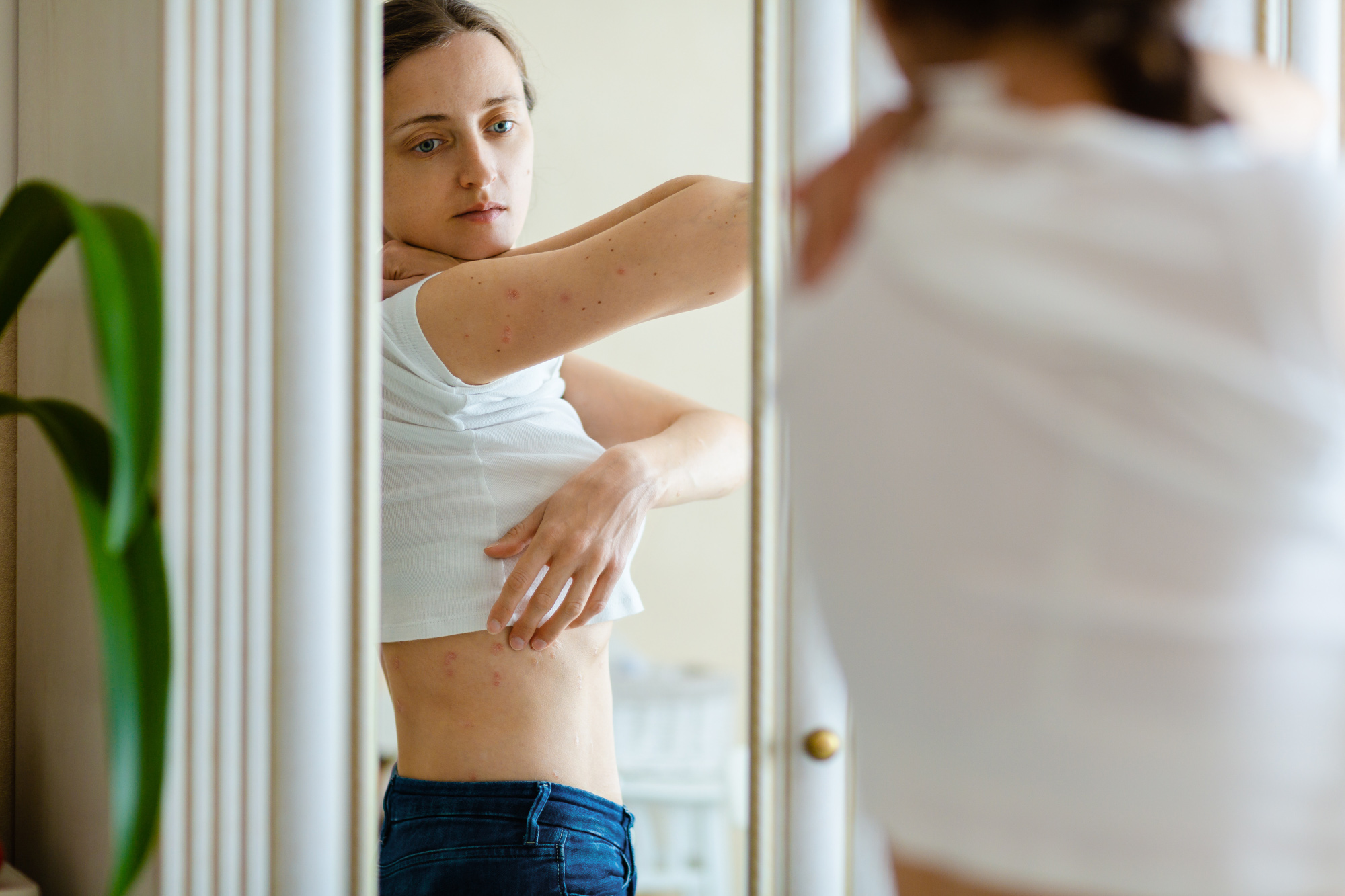
Psoriasis Treatment in Deerfield Beach
Control Itching & Inflammation
Enjoy More Psoriasis-Free Days
Psoriasis symptoms are incredibly uncomfortable and can impact your day-to-day well-being. At Green Dermatology & Cosmetic Center, we offer effective psoriasis treatment in Deerfield Beach to help relieve symptoms and get you back to living your life confidently.
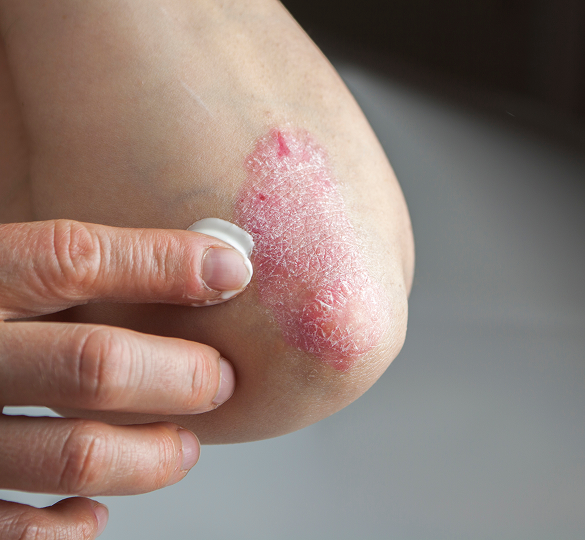

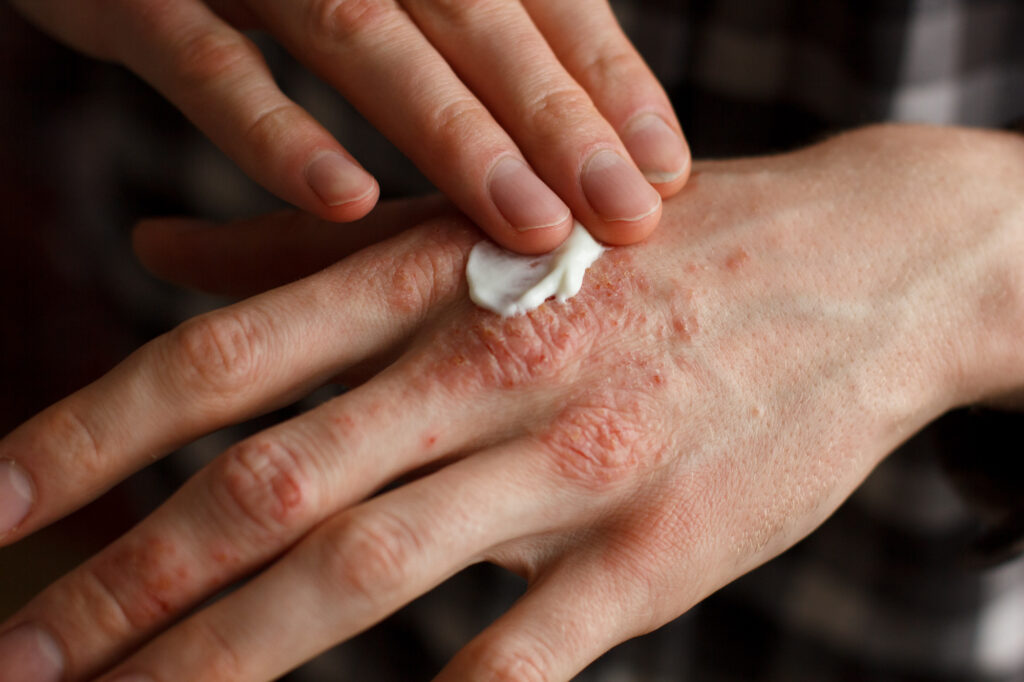
Know the Signs of Psoriasis
Typical Symptoms
- Plaques
- Scales
- Discoloration
- Pustules
- Itchiness
- Skin folds
Common Areas
- Knees and elbows
- Scalp and face
- Lower back and trunk
- Palms of the hands
- Soles of the feet
How Is Psoriasis Treated?
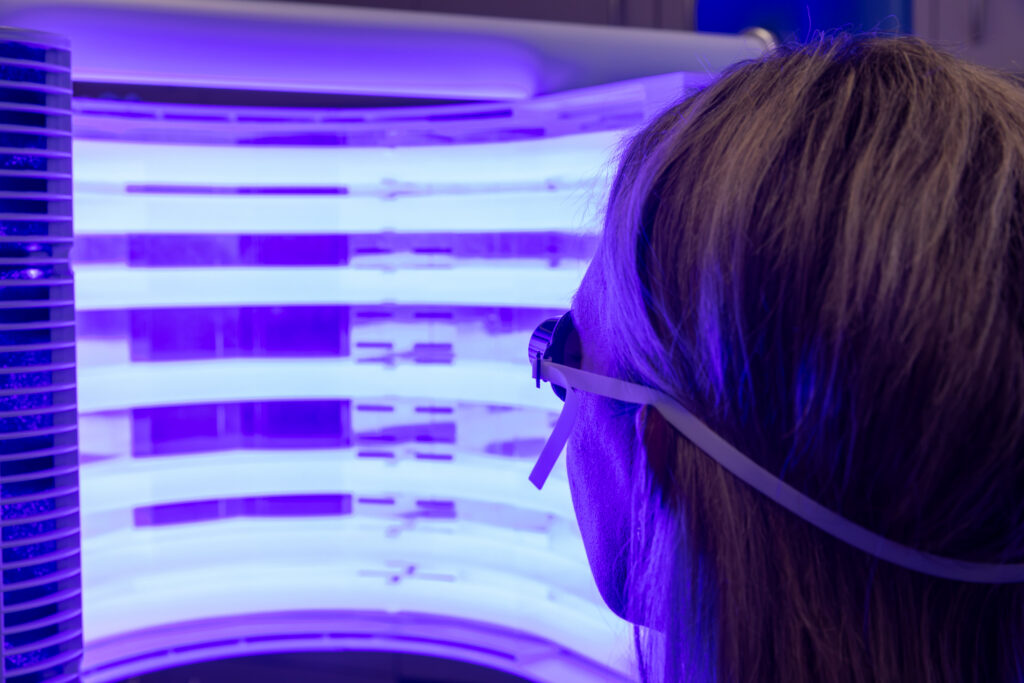
Because psoriasis can affect everyone differently, we customize treatment based on your symptoms and severity. Topical creams and moisturizers can help calm irritation, reduce scaling, and improve the skin’s overall appearance. Light-based treatments may also help control flare-ups.
For more severe or widespread psoriasis, our providers may recommend injectable medications. They may also prescribe oral medication that can help manage chronic psoriasis over time. In many cases, combining different treatments can provide better results while using lower doses of each option.
Types of Psoriasis
Psoriasis is the most common autoimmune disease in the U.S. As many as 7.5 million Americans have psoriasis. There are 5 types.

Plaque
The most common type. Plaque psoriasis appears as raised red patches or scales typically on the knees, elbows, or scalp.
Guttate
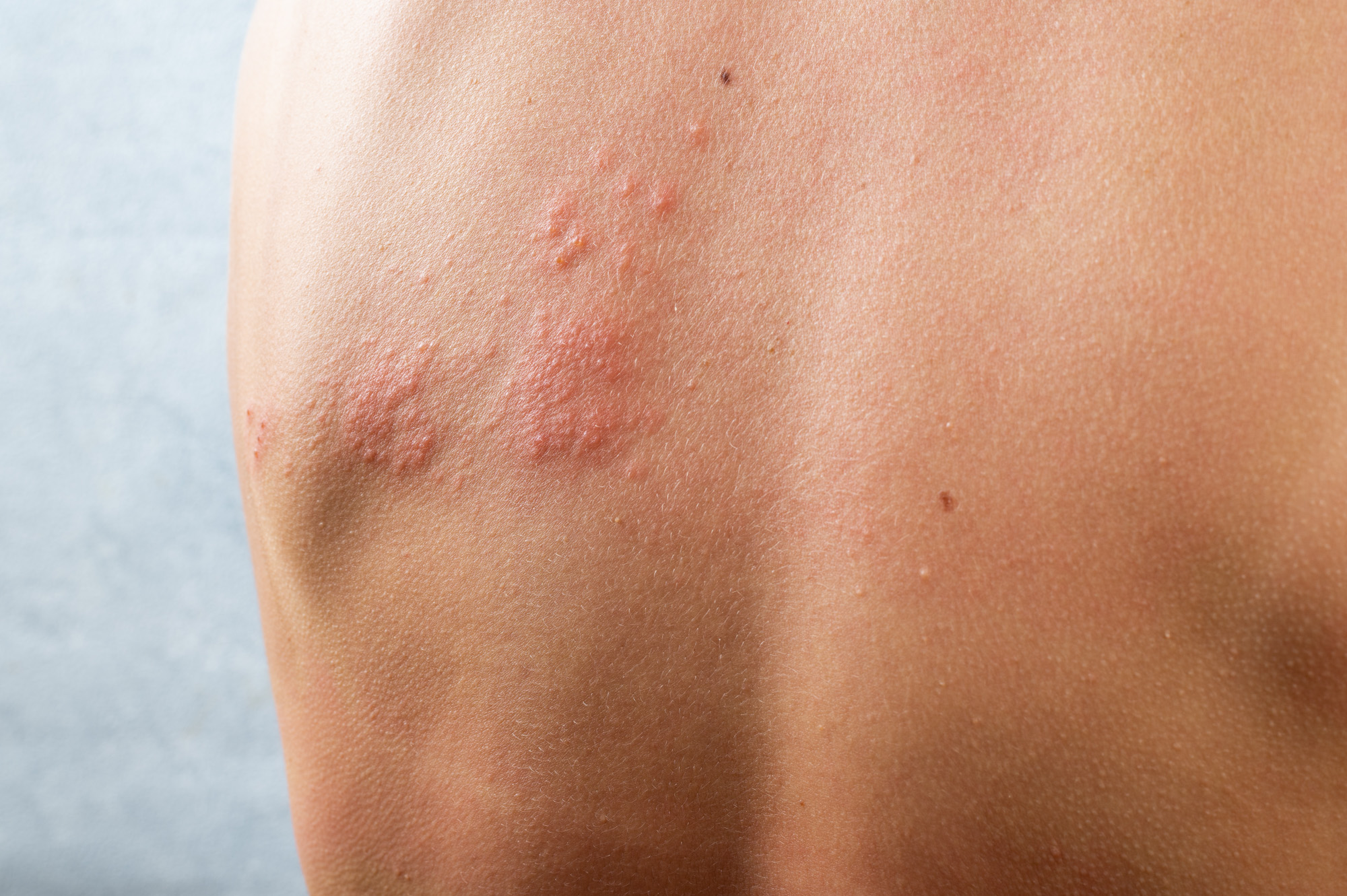
Guttate psoriasis consists of small, drop-shaped pink or red spots. This type often appears suddenly on the torso and limbs in response to a bacterial infection.
Inverse
This type appears strictly within skin folds (armpit, groin, under breasts, buttocks) and appears as smooth bright red lesions that worsen with sweating and rubbing.
Pustular
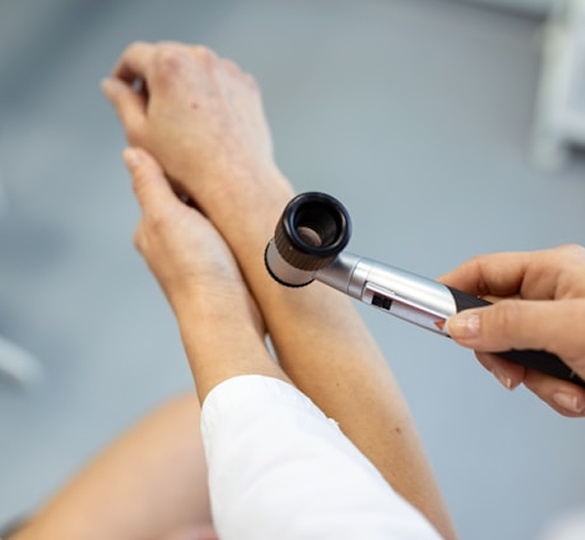
Pustular psoriasis is characterized by painful, non-infectious pus-filled bumps and red skin. Can be localized to the hands/feet but also appears on larger areas of the body.
Erythrodermic
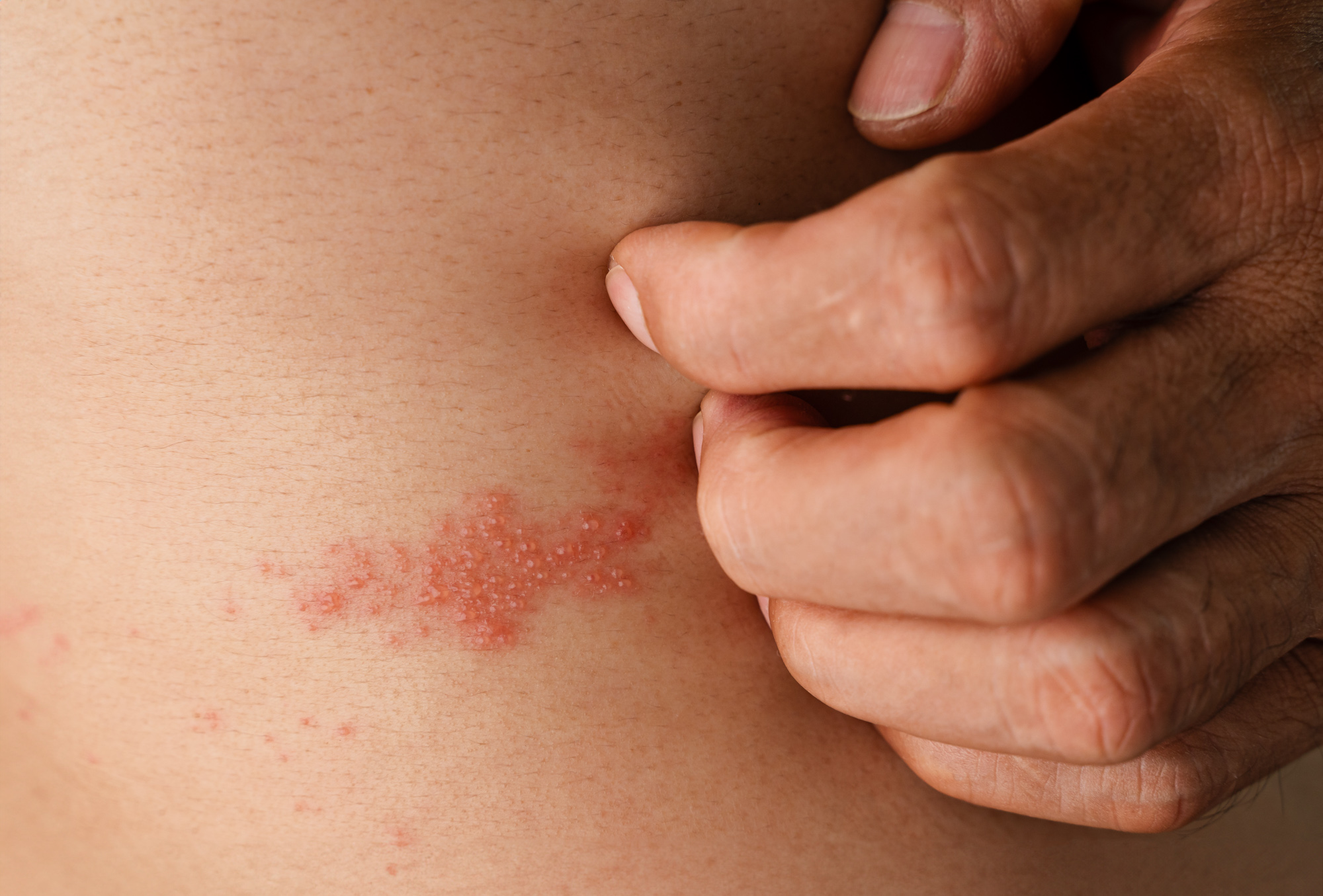
The most rare type of psoriasis
Consultation Process
What to Expect at Your Consultation
-
01
-
02
-

03
-

04
Frequently Asked Questions
Psoriasis is caused by an overactive immune system. It’s common for environmental factors that impact the immune system to trigger breakouts. Common triggers are:
- Emotional stress
- Infections (particularly strep, respiratory, and tonsillitis)
- Weather
- Injuries
- Certain medications
- Lifestyle habits like heavy alcohol consumption and smoking
Psoriasis cannot currently be cured, but it can often be managed effectively to provide more days with fewer symptoms. Treatment can reduce inflammation, clear or improve plaques, relieve itching and discomfort, and help prevent future flare-ups. Your dermatologist can recommend a treatment plan based on the type and severity of your psoriasis.
Explore More Services

Explore Personalized Treatments
Healthier Skin Starts Here
Ready to address a specific concern or simply want healthier, more radiant skin? We’re here to help with expert, personalized care.