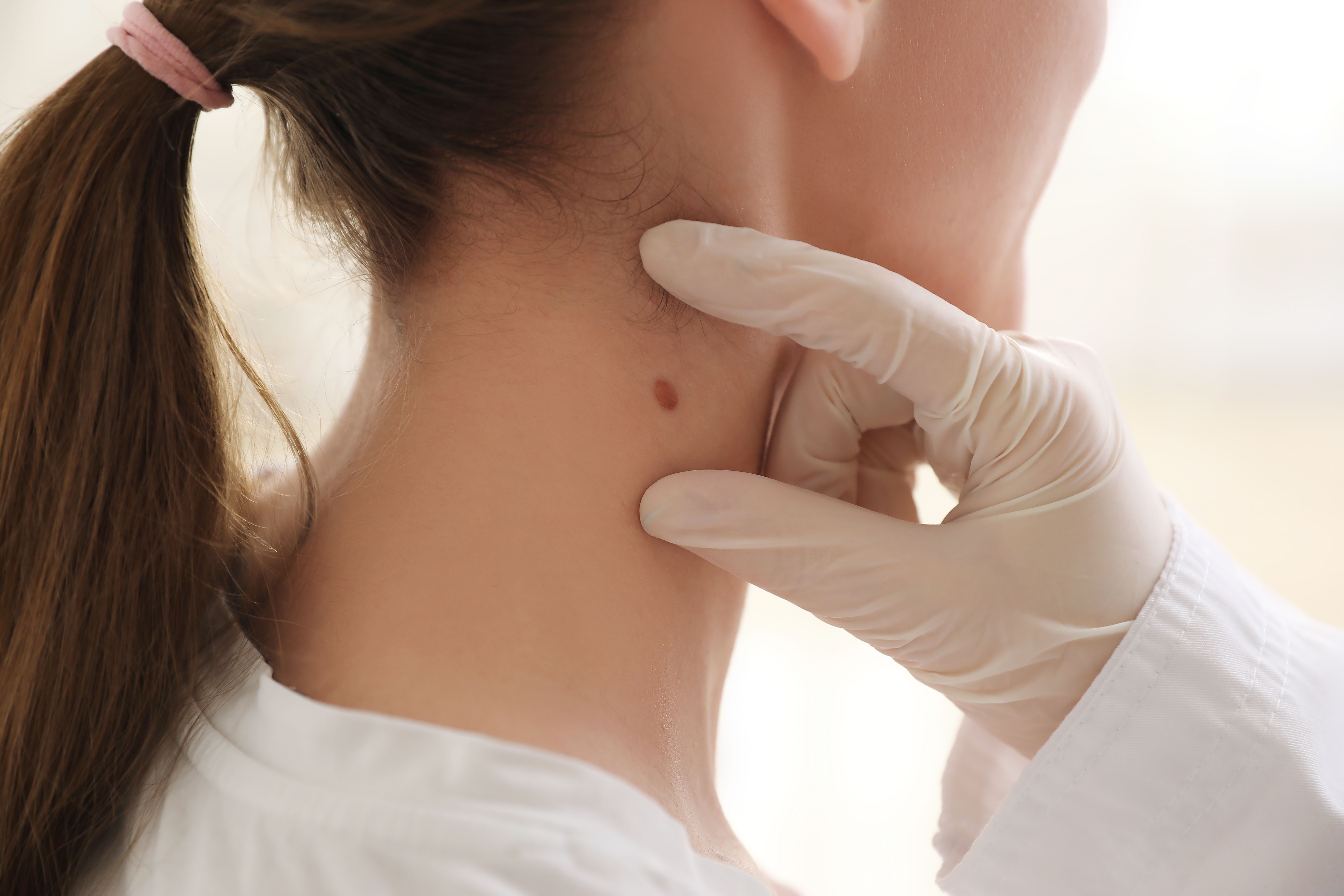
A new mole or a change in an existing mole is not always a sign of skin cancer, but it is something worth paying attention to. Changes in color, size, shape, or texture can sometimes point to abnormal skin cell activity. For patients in South Florida , staying aware of these changes can make a real difference. A dermatology visit can help determine whether a mole is harmless, needs to be watched, or should be evaluated further.
Why Moles Change
Moles can change for several reasons. Some changes happen naturally over time due to age, sun exposure, or hormonal shifts. Others may be linked to atypical cells that require closer evaluation.
A mole that becomes darker, develops uneven borders, grows quickly, or starts to itch or bleed should not be ignored. When changes happen gradually, they can be easy to miss, which is why regular skin checks are so important.
Signs That Deserve Attention
Dermatologists often use the ABCDE rule to assess moles. This can help patients in South Florida know when to schedule an appointment.
- A - Asymmetry, where one half does not match the other
- B - Border irregularity, including edges that look uneven or blurred
- C - Color variation, such as different shades of brown, black, red, or tan
- D - Diameter larger than about 6 millimeters
- E - Evolving, meaning the mole is changing in appearance or symptoms
Even if a mole does not check every box, any noticeable change should still be evaluated.
New Moles in Adulthood
Children and teens commonly develop new moles, but new moles that appear in adulthood may need more attention. That does not mean they are dangerous, but it does mean they should be looked at by our dermatologist.
This is especially true if the mole looks different from others on your body. Some dermatologists call this the "ugly duckling" sign - a spot that stands out because it does not match your usual pattern of moles.
The Role of Sun Exposure
Sun exposure is one of the biggest factors that affects skin health and can contribute to changes in moles. Over time, ultraviolet damage can increase the risk of skin cancer and other skin concerns.
Using sunscreen daily, wearing protective clothing, and avoiding excessive sun exposure can help reduce risk. In sunny South Florida, these habits are especially important for patients who spend time outdoors year-round.
When to See a Dermatologist
If you notice a new mole or a changing mole, it is best not to guess what it means. A professional skin exam allows Dr. Green to assess the spot closely and determine whether additional testing or treatment is needed. Early evaluation can provide peace of mind and, when necessary, support earlier detection of skin cancer. That is one of the most important reasons to stay proactive about skin health.
If you are concerned about the appearance of a mole, schedule an evaluation at Green Dermatology & Cosmetic Center. Visit our office in Deerfield Beach, Florida, or call (954) 799-9600 to book an appointment today.
Shop Our Products


© 2026 Green Dermatology & Cosmetic Center. All Rights Reserved | Accessibility Statement | Privacy Policy | Sitemap
Powered by: