
Skin tags are typically harmless, noncancerous growths and do not usually become skin cancer. However, any changing or unusual growth should still be evaluated by a dermatologist.
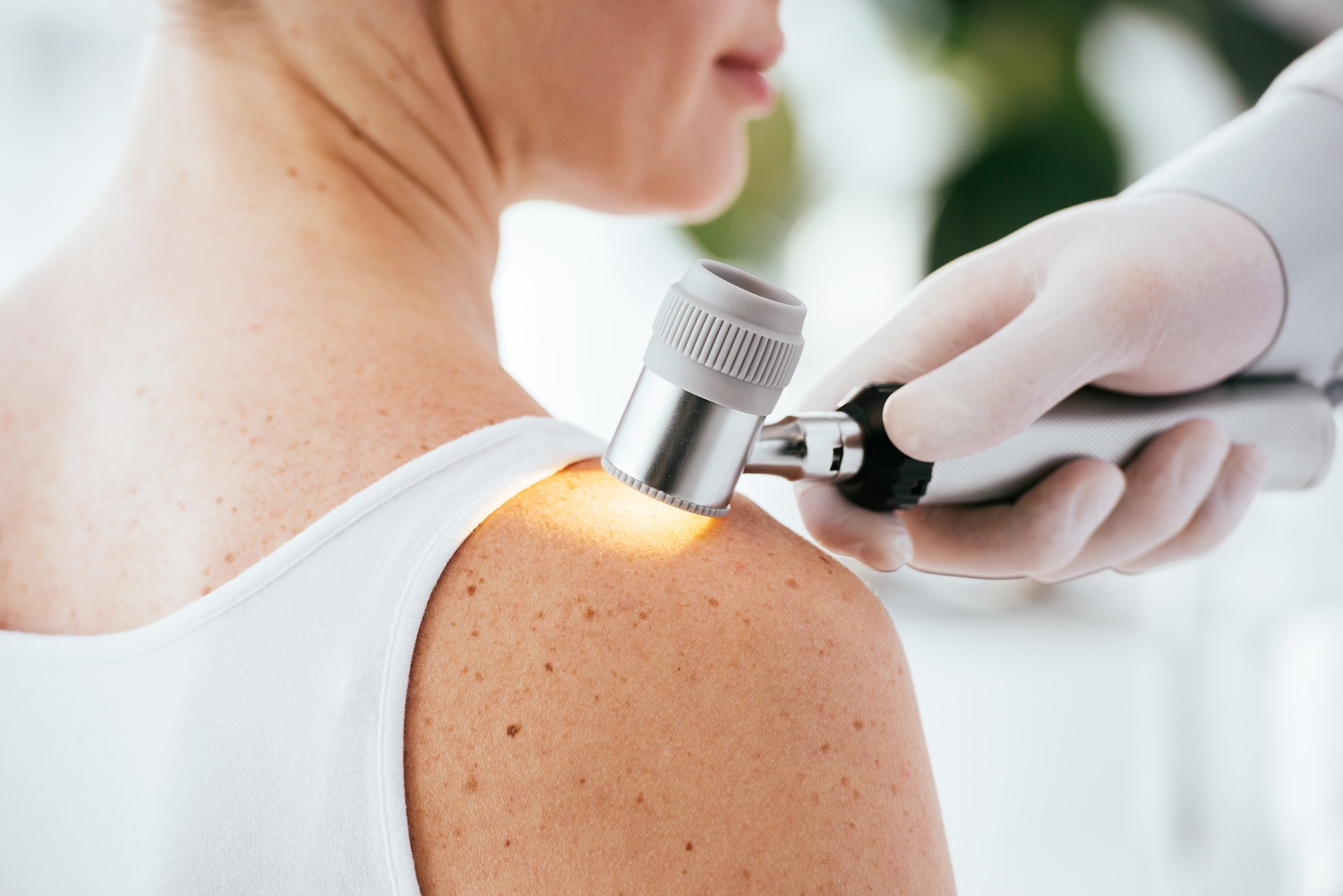
Skin Tag Removal in Deerfield Beach
Safe & Effective Skin Tag Removal
Understanding Skin Tags
While skin tags are typically harmless and noncancerous, they can become irritated, snag on jewelry or clothing, or cause cosmetic concerns. At Green Dermatology & Cosmetic Center, we provide expert evaluation and safe removal options for skin tags and other common skin growths.
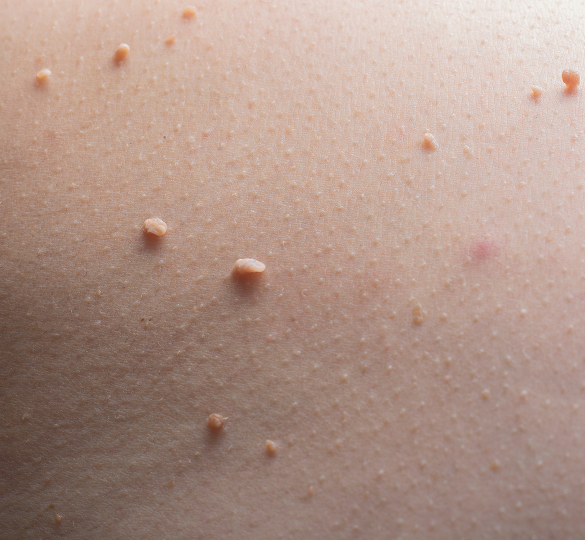


Is It a Skin Tag?
Identifying Signs
- Small, soft growth on the skin
- Flesh-colored or slightly darker appearance
- Often hangs off the skin by a thin stalk
- Smooth or slightly wrinkled texture
- Usually painless unless irritated by friction
- May appear alone or in clusters
- Typically movable to the touch
Common Areas
- Breasts (under)
- Eyelids
- Groin
- Neck creases
- Underarms
What causes skin tags?
Skin tags can appear anywhere on the skin, and they usually appear in places where the skin is rubbing together frequently. People who are pregnant, overweight, or who have loose skin are the most likely to develop skin tags. You are also more likely to develop skin tags if any blood relatives have them. Conditions like diabetes and metabolic syndrome (i.e. high blood pressure or cholesterol) have been found to increase the chance of skin tags, as well.
Signs to Visit a Dermatologist
Most often skin tags are completely benign, however it’s important to visit a dermatologist if you notice signs like:
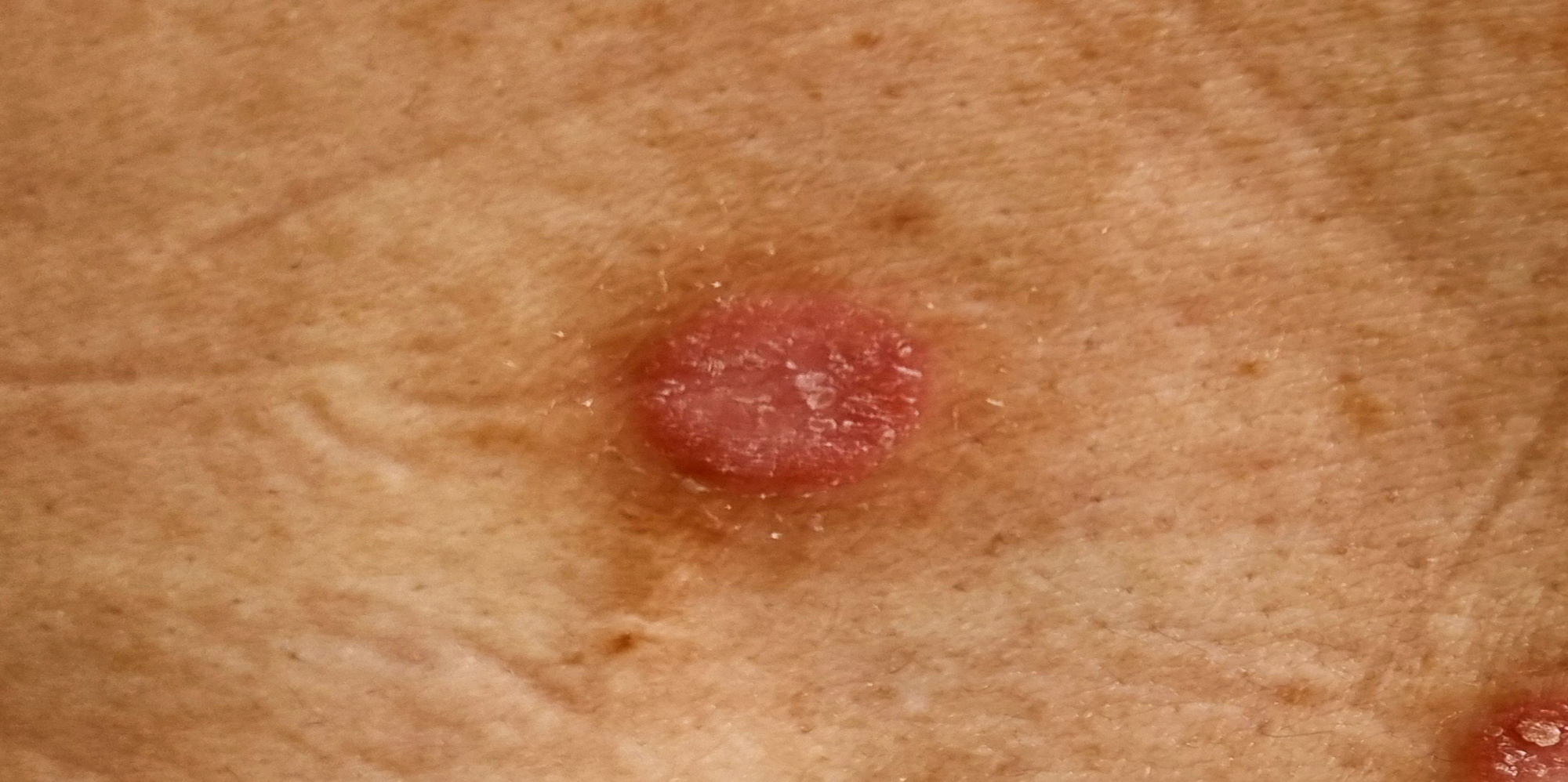
Pain or Bleeding
Inflammation, irritation, and redness that doesn’t go away.
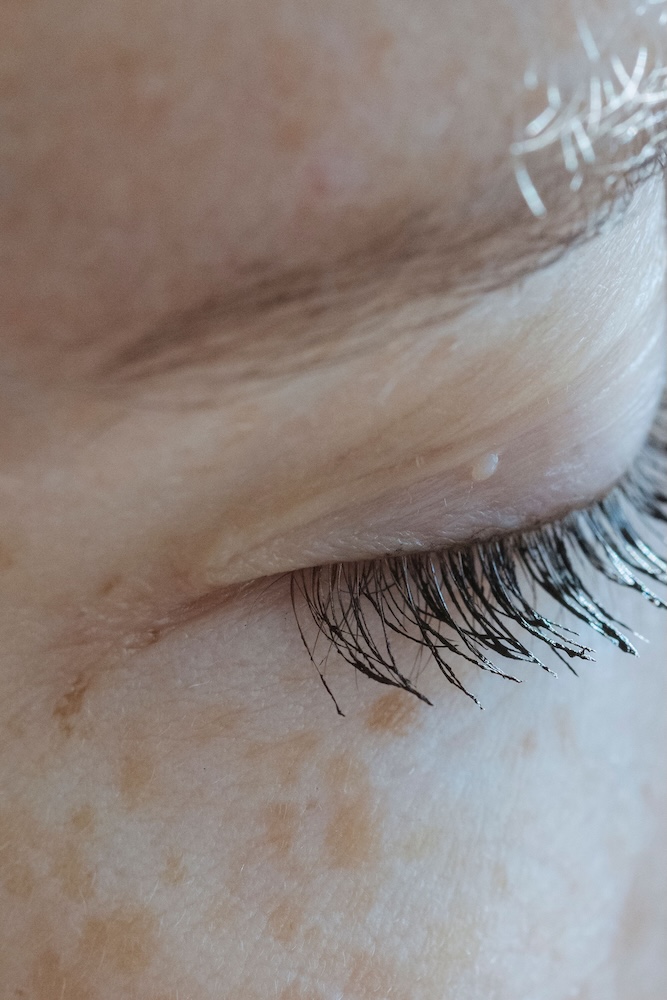
Sensitive Area
On your eyelid or in a place where it catches on clothing often.
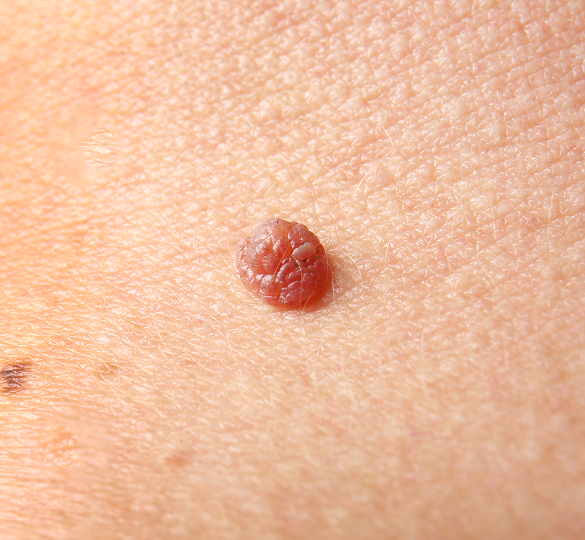
Rapid Growth
If the skin tag grows in size or increases in number.
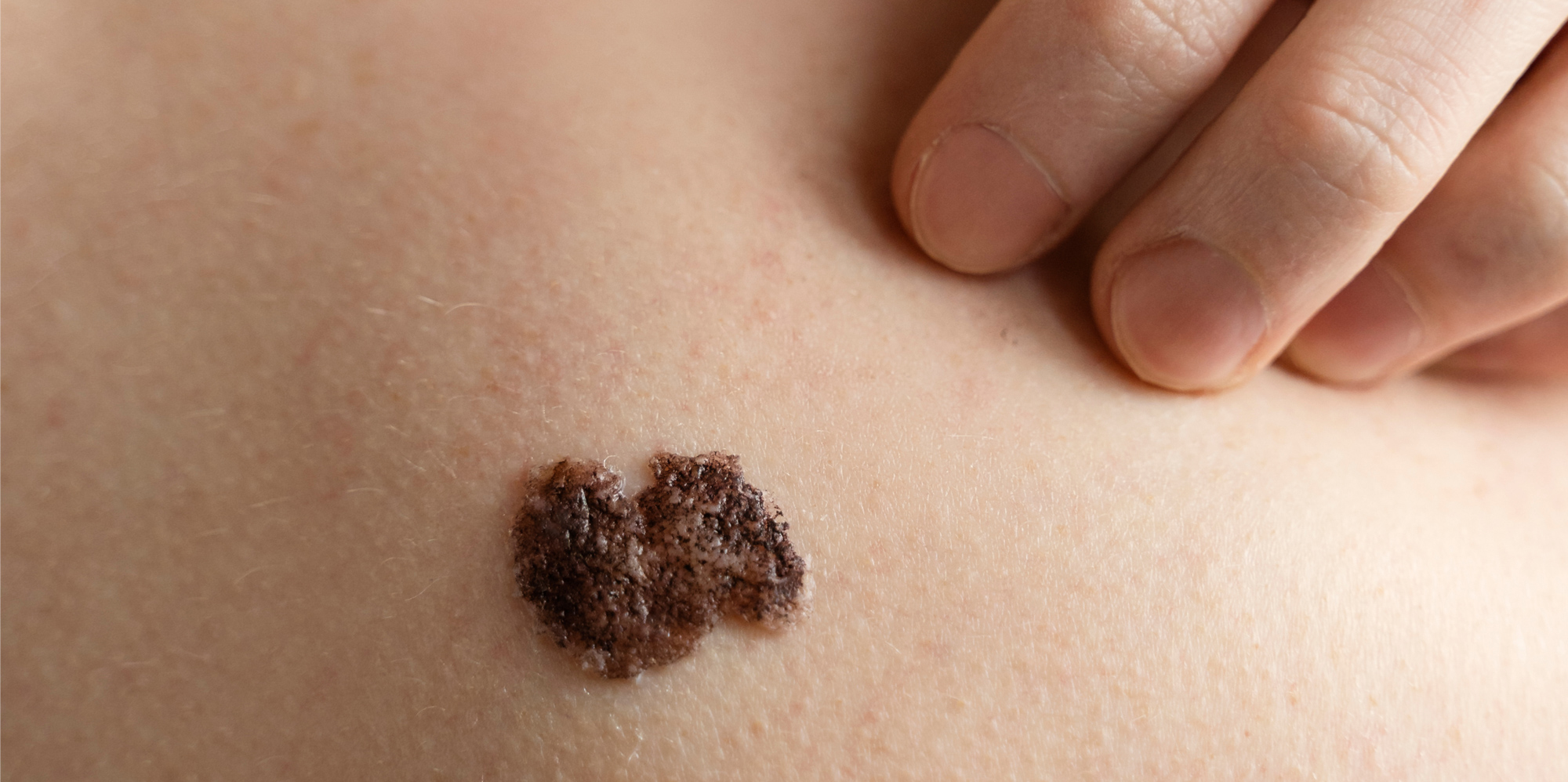
Changing Color
Turning red, black, or dark brown.
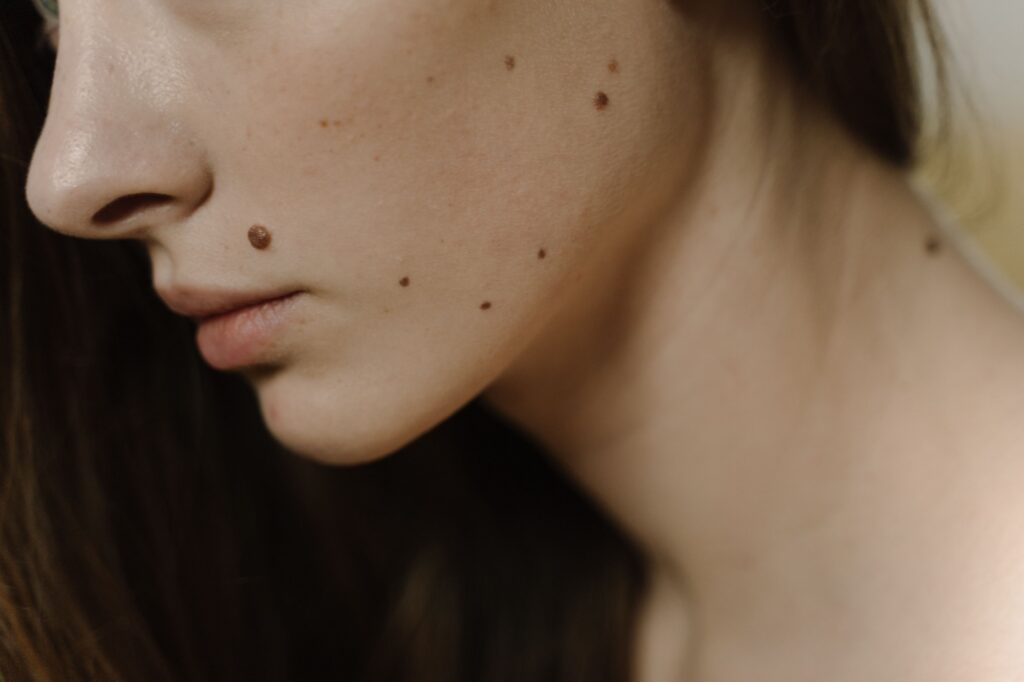
Angiomas
Small red or purple blood vessel growths that commonly appear with age and are typically harmless.
Moles
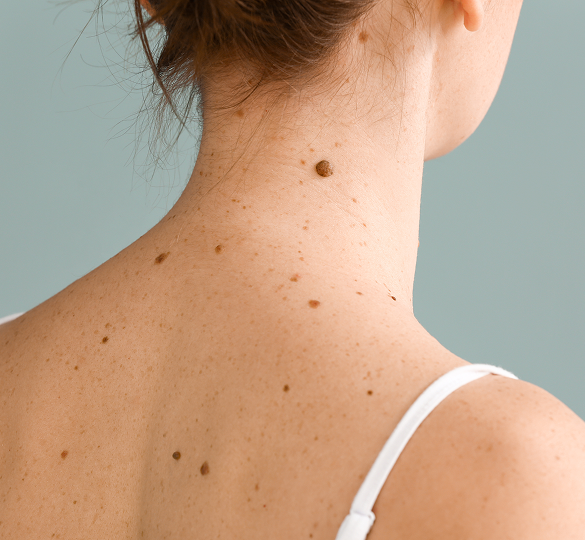
Pigmented skin spots that should be monitored for changes in size, shape, or color over time.
Warts
Rough, raised growths caused by the human papillomavirus (HPV) that can spread through skin contact.
Cysts
Sac-like bumps beneath the skin that may contain fluid, oil, or other material and sometimes become irritated.
Seborrheic Keratosis
Common noncancerous growths with a waxy or textured appearance that often develop as skin ages.
Consultation Process
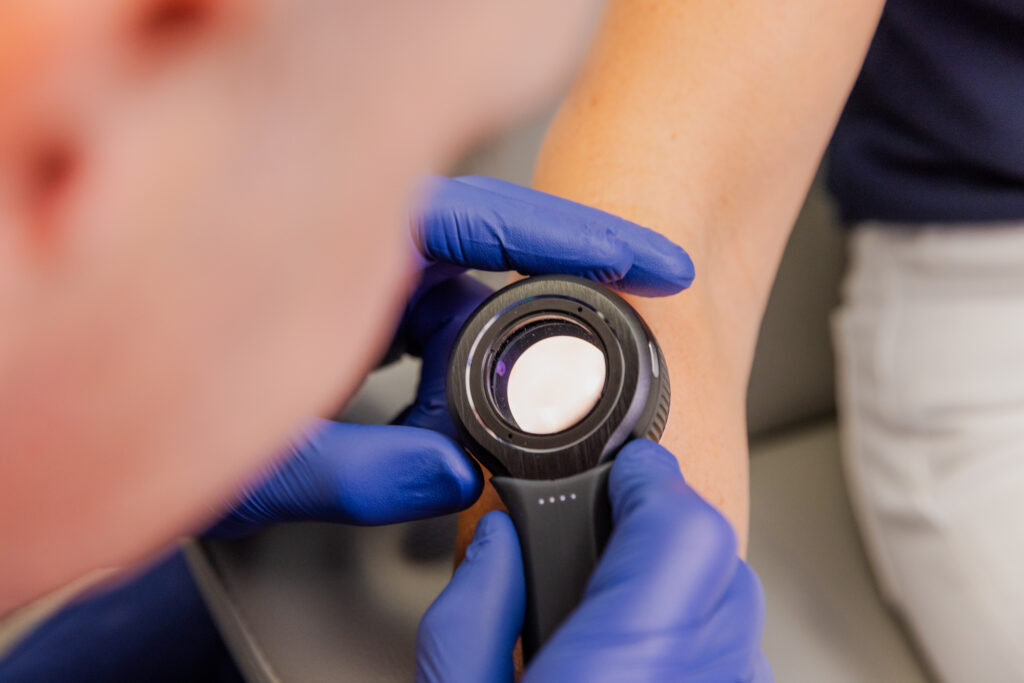
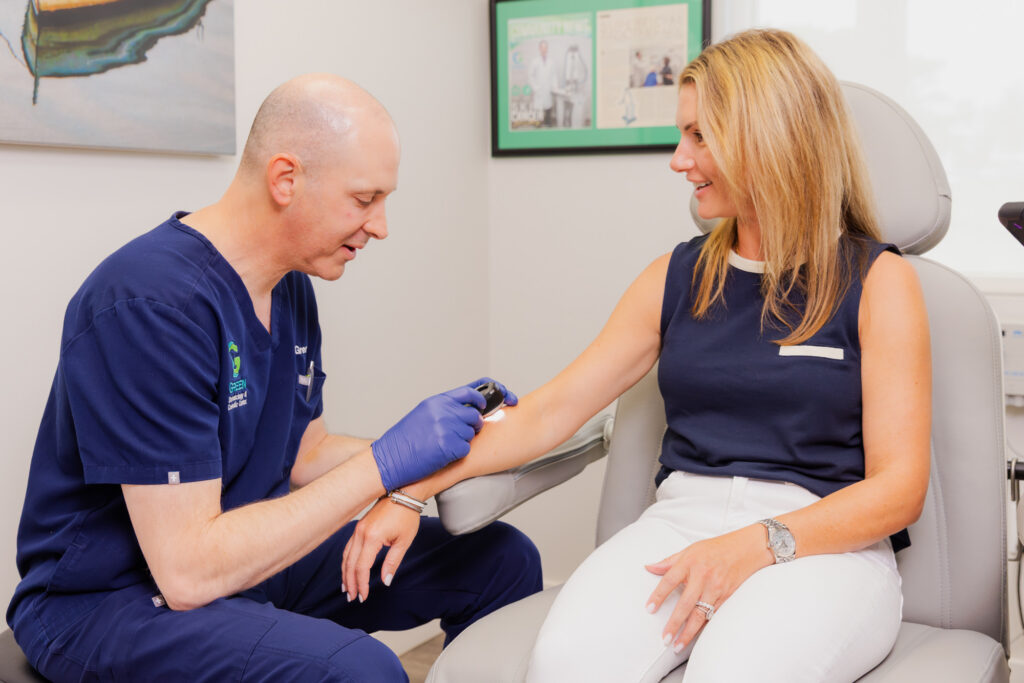
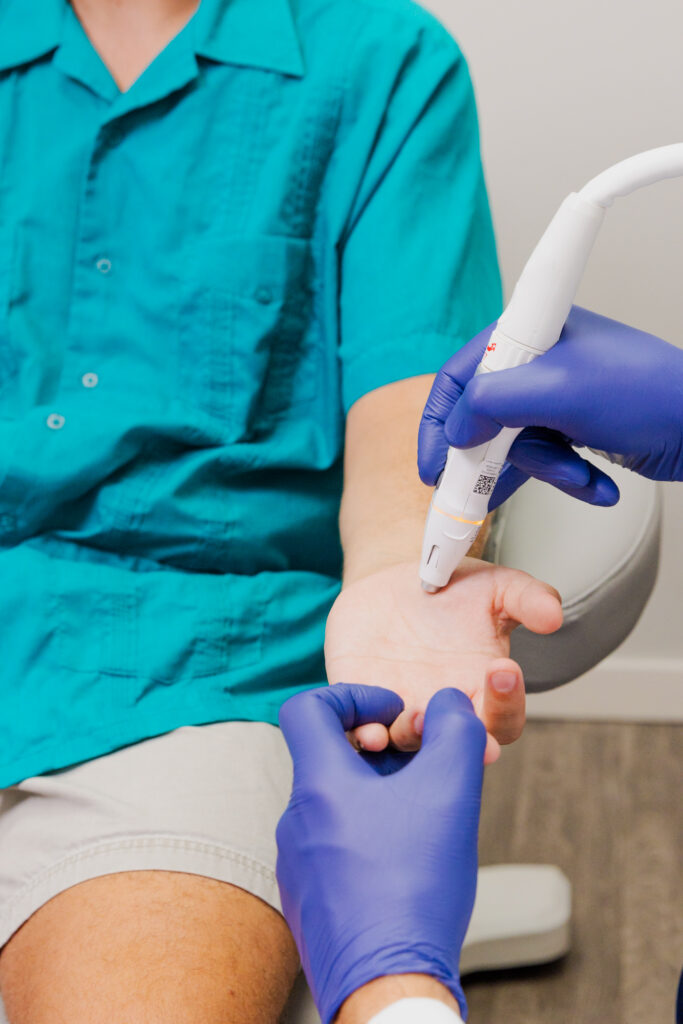
What to Expect at Your Consultation
-
01
-
02
-
03
-

04
Frequently Asked Questions
No. Skin tags do not always require treatment unless they become irritated, uncomfortable, or cosmetically bothersome. Our team can help you through the process of skin tag removal in Deerfield Beach.
It’s best to have skin tags evaluated and removed by a professional to avoid irritation, bleeding, or mistaking another type of growth for a skin tag.
A removed skin tag typically does not grow back, but new skin tags can develop in other areas over time.
Explore More Treatments


Explore Personalized Treatments
Healthier Skin Starts Here
Ready to address a specific concern or simply want healthier, more radiant skin? We’re here to help with expert, personalized care.